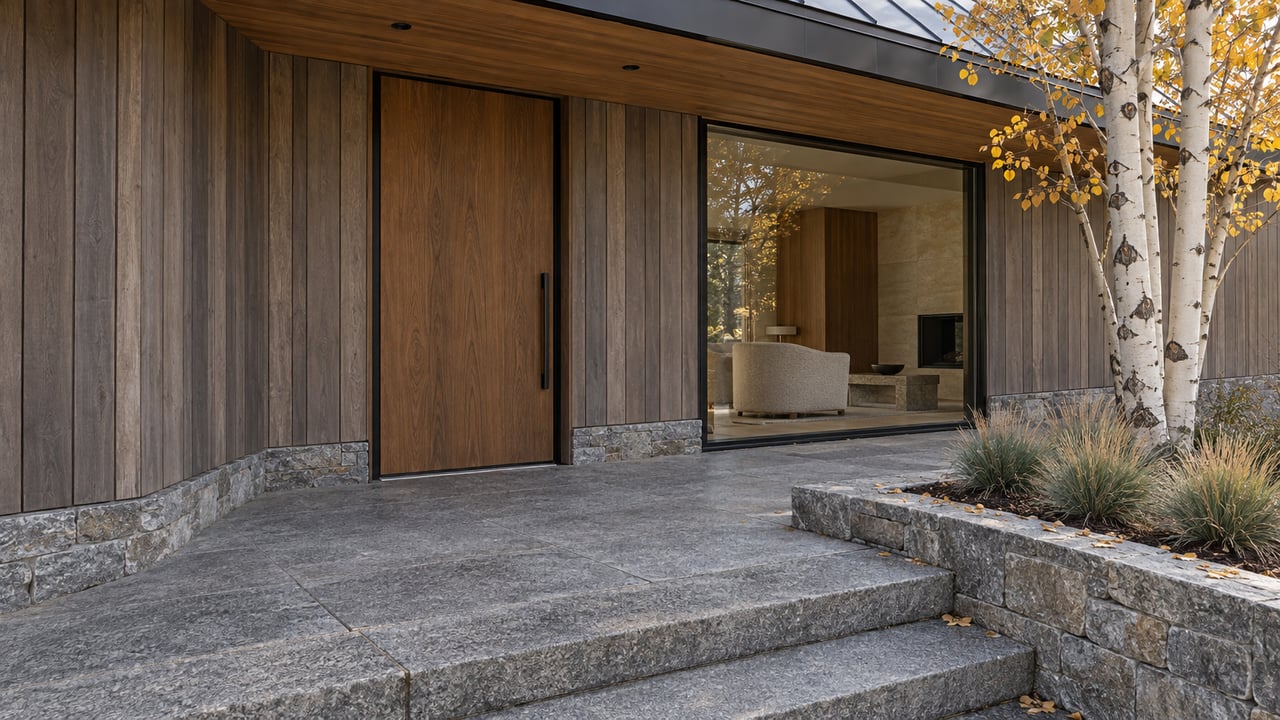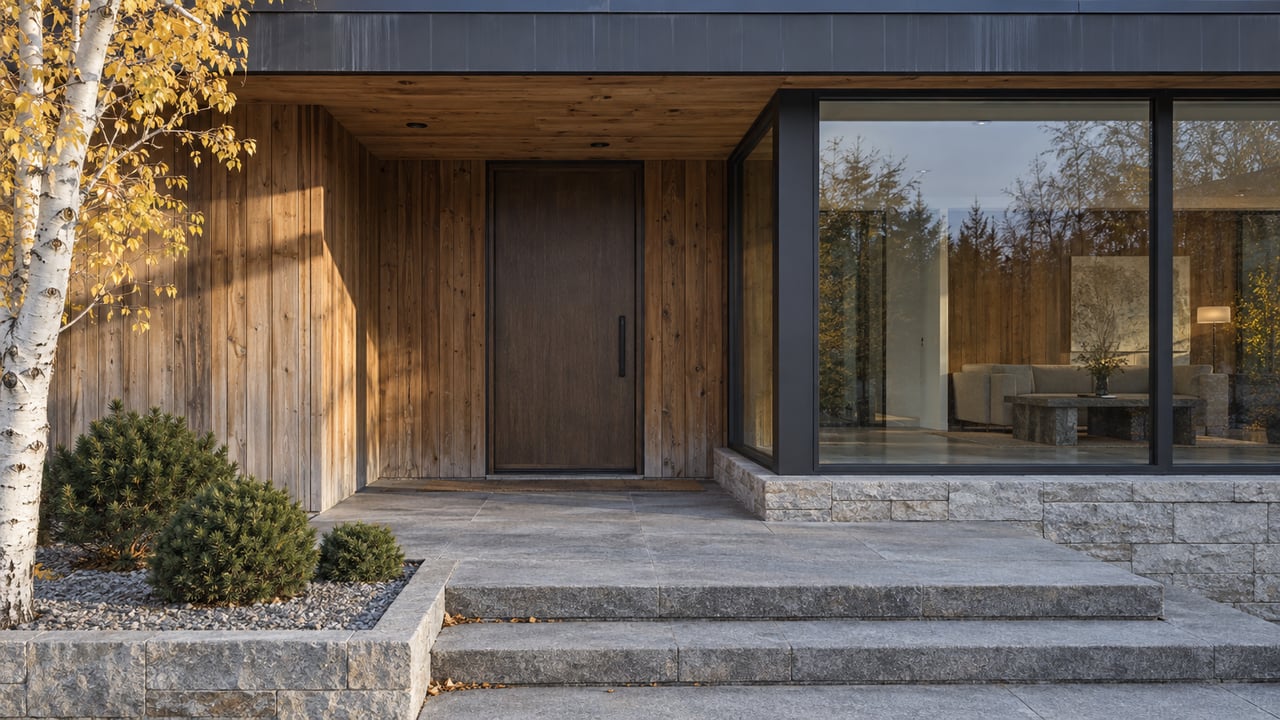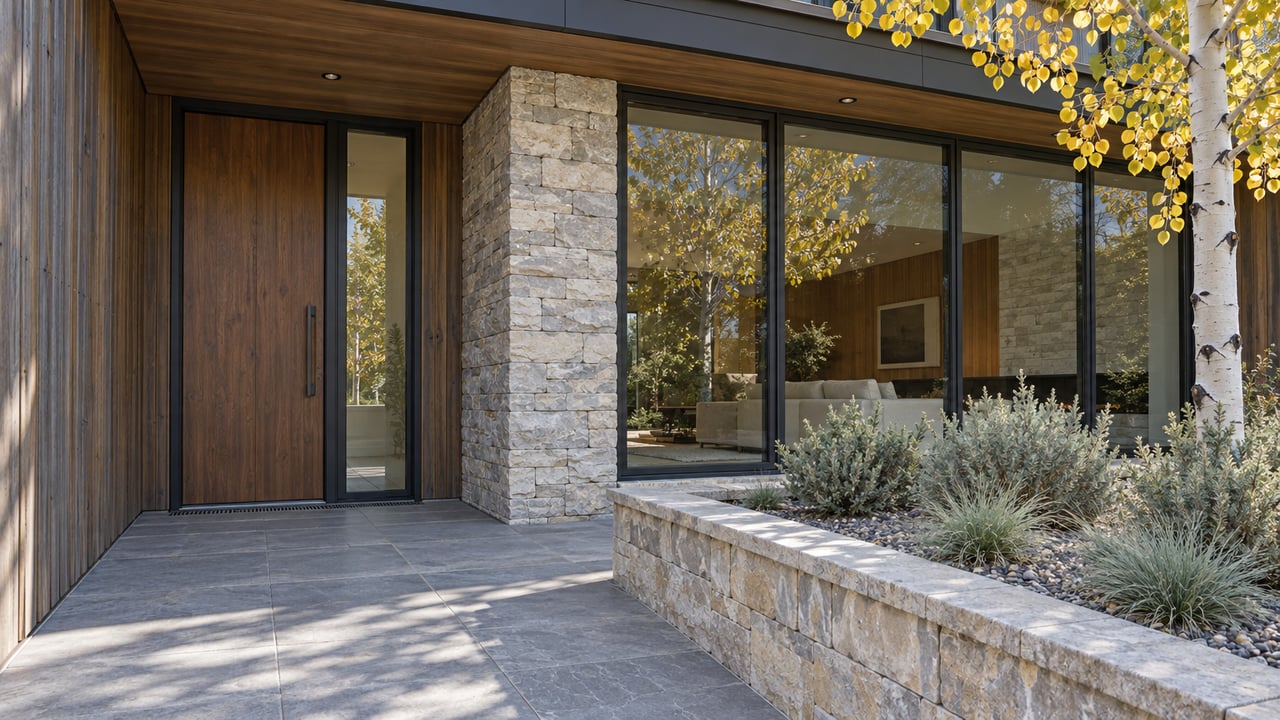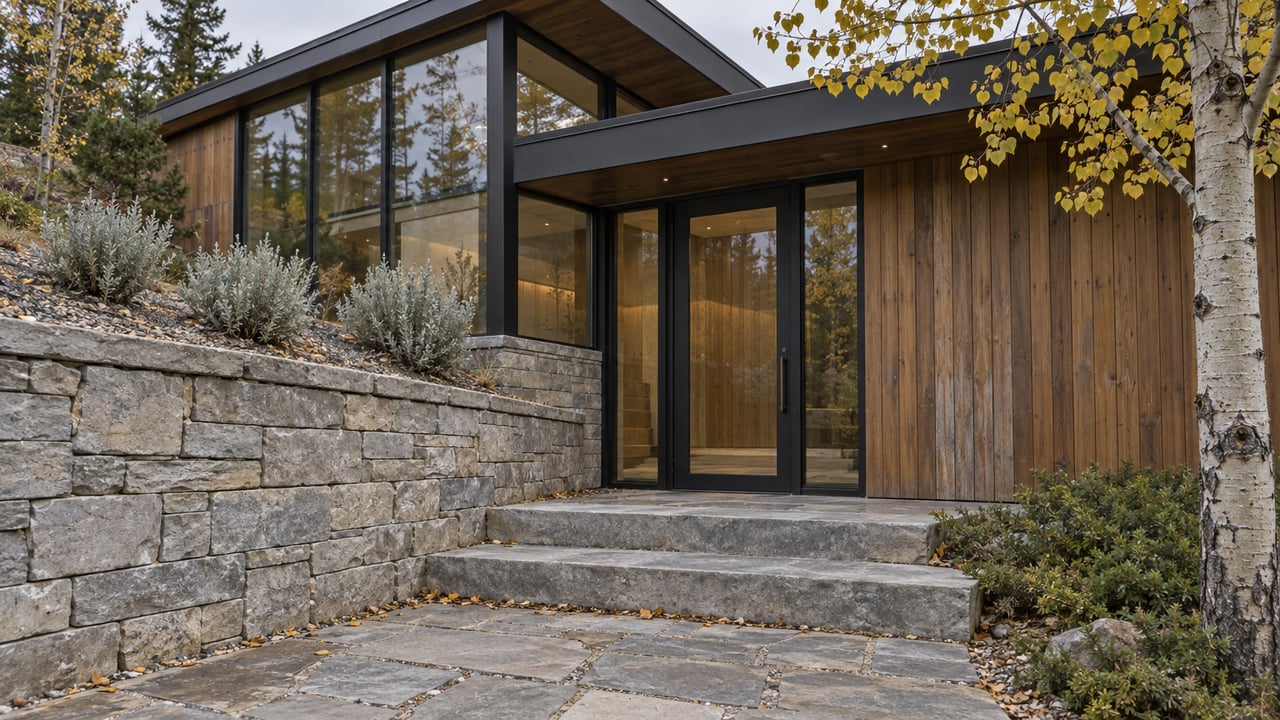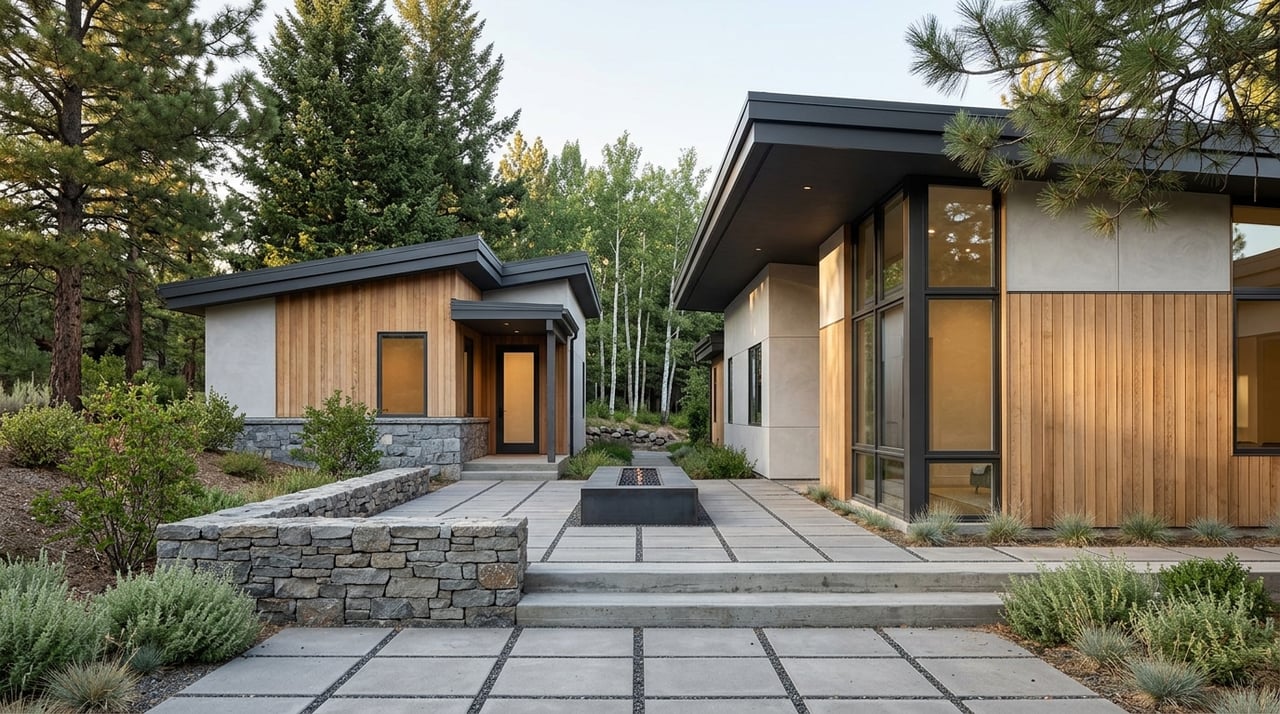
If you picture a multi-generational compound as one oversized house, Old Ranch Road may push you to think bigger and smarter. In this part of Summit County, the land, road character, and outdoor lifestyle all point toward a more thoughtful estate approach. If you are exploring how to create a property that brings family together without sacrificing privacy, this guide will help you think through the site, layout, and design priorities that matter most. Let’s dive in.
Why Old Ranch Road Fits This Idea
Old Ranch Road sits in the Snyderville Basin in unincorporated Summit County, where the setting reads as rural, open, and low-density. County planning documents describe the area as part of a landscape shaped by large lots, agricultural land, and detached homes rather than an in-town neighborhood pattern.
That context makes the multi-generational compound concept especially compelling here. Instead of forcing every function into one structure, you can think in terms of an estate campus with a main residence, a guest house or secondary residence, and smaller support buildings arranged across the parcel.
Start With the Land Pattern
The county describes the zoning mix along Old Ranch Road as RR and HS, with base densities of 1 unit per 20 acres and 1 unit per 30 acres, respectively. For buyers and sellers, that matters because the land pattern supports a spacious, estate-like feel that is very different from a compact subdivision layout.
Just as important, county planning guidance says the area should remain compatible with large-lot detached dwellings and equestrian uses. That does not automatically define one perfect building plan, but it does support a design approach that respects scale, openness, and rural character.
Think in Clusters, Not Sprawl
A strong compound design usually works best when buildings are grouped with intention. Clustering the main home and secondary structures can preserve more open land, improve circulation, and create separation between shared and private zones.
This approach also fits the visual rhythm of Old Ranch Road. The goal is not to urbanize the site, but to create a private family campus that still feels grounded in the basin’s open landscape.
Build Around Privacy and Connection
The best multi-generational properties give you both independence and togetherness. On Old Ranch Road, that usually means planning for a clear hierarchy of spaces rather than one continuous footprint.
You might have a primary residence as the social anchor, a detached guest residence for extended family, and support buildings that handle storage, recreation, or equestrian uses. That kind of separation can make everyday living more comfortable for multiple generations under one ownership plan.
Shared Spaces That Actually Work
Shared areas should feel generous and easy to use. Think about outdoor dining terraces, fire features, lawns or patios, and practical transition spaces like mudrooms and gear rooms that help several households move through the property without friction.
Because the broader area connects so strongly to trail and outdoor recreation culture, these shared spaces should support real use throughout the year. A compound here should not just look beautiful in photos. It should handle bikes, skis, dogs, boots, and guests with ease.
Private Zones That Feel Separate
Privacy is just as important as gathering space. Separate entrances, distinct parking areas, and thoughtful window orientation can help each residence feel like its own retreat.
This matters even more on a multi-generational property, where daily schedules and lifestyles may differ. Good planning creates closeness without constant overlap.
Design for the Road and Trail Culture
Old Ranch Road functions as more than a residential street. Summit County describes it as a multi-use transportation and recreational corridor used by horseback riders, bicyclists, runners, and dog walkers, and as part of a neighborhood traffic-calming system.
That means your site plan should respond to movement beyond the property line. Driveways, arrival courts, guest parking, and service access should be laid out in a way that feels safe, orderly, and respectful of the road’s shared character.
Keep the Edge Soft and Rural
County guidance says the historic, winding, narrow character of Old Ranch Road should be preserved. It also discourages streetlights and notes that curb and gutter are not appropriate in this setting.
For design, that points toward a softer road edge and a more restrained arrival sequence. Instead of overbuilding the frontage, the better move is often to let the landscape do more of the visual work.
Program the Right Support Buildings
One of the smartest ways to plan a compound on Old Ranch Road is to separate uses into multiple structures where appropriate. A county staff report on accessory buildings notes that rural-residential and equestrian properties may need spaces such as a tack shed, stable, arena, and equipment shed in addition to home-related storage.
Even if you are not building out a full equestrian setup, the lesson still applies. Large parcels with active lifestyles often function better when storage, recreation, and service uses are not all packed into the main house.
Useful Buildings for a Family Compound
Depending on the parcel and your goals, support spaces may include:
- A detached guest house or secondary residence
- A barn, stable, or tack shed for equestrian use
- An equipment or utility building
- A gear garage for bikes, skis, and seasonal storage
- A workshop or flexible studio space
- Covered parking or a motor court support structure
The right mix depends on how your family lives. The key is making each building earn its place in the overall campus plan.
Plan for Four-Season Living
Park City’s NOAA climate station sits at about 6,900 feet, and the 1991 to 2020 normals show annual precipitation of 22.39 inches. While that is not a site-specific engineering report, it does reinforce what most buyers already expect from this mountain setting: winter access, drainage, snow storage, and durable exterior materials all need to be part of the design from the start.
A compound on Old Ranch Road should feel easy to use in January, not just in July. That includes driveway geometry, service access, covered entries, snow management areas, and outdoor rooms that can still function through a long shoulder season.
Outdoor Rooms With Staying Power
Mountain compounds work best when outdoor living is flexible. Covered terraces, sheltered patios, and durable hardscape can extend the useful season without fighting the climate.
This is also where a campus layout helps. Several smaller, connected outdoor zones often work better than one oversized backyard because they create options for sun, wind protection, privacy, and family use.
Use a Water-Wise Landscape Strategy
USU’s Swaner guidance recommends native and water-wise landscaping, noting that native plants are adapted to Utah’s cold, snowy winters and dry, hot summers. It also suggests grouping plants by water needs and using decks and patios as non-water-consuming outdoor areas.
For a multi-generational compound, that advice is especially useful. A large parcel can become high-maintenance quickly if the landscape plan is not disciplined and regionally appropriate.
Keep the Site Cohesive
A successful landscape should tie multiple buildings together without making the property feel overdesigned. Native and water-wise plantings can help preserve views, reduce maintenance, and create a quieter visual transition between architecture and open land.
That strategy also supports the mountain-luxury character many buyers want on Old Ranch Road. The strongest properties often feel composed, not crowded.
Make Recreation Part of the Plan
The surrounding area offers deep access to open space and trails. Park City reports more than 7,000 acres of preserved open space and more than 350 miles of recreational trails nearby, with riding, hiking, biking, and equestrian use. Round Valley adds 694 acres and more than 30 miles of trails, while Swaner Preserve protects 1,200 acres near Kimball Junction and offers 10 miles of trails on its north side.
That level of access shapes how a compound should function. Mudrooms, ski storage, bike storage, and gear rooms are not afterthoughts here. They are part of what makes the property feel aligned with the lifestyle around it.
Include Resilience From Day One
Wildfire planning should be part of the early design conversation, especially on larger properties outside city limits. Utah guidance recommends defensible space, home hardening, and multiple evacuation routes, and state wildfire management resources note that landowners can work with area foresters and fire managers.
On Old Ranch Road, that can translate into practical choices like spacing buildings well, reducing combustible plantings near structures, and making sure emergency access works for family vehicles and service vehicles alike.
Resilience Features Worth Planning Early
A few priorities are especially important:
- Clear building separation where possible
- Defensible space around structures
- Durable exterior materials
- Driveways and access routes that support emergency movement
- Landscaping choices that reduce fire risk close to buildings
These choices can improve peace of mind while protecting the long-term usefulness of the property.
What Buyers and Sellers Should Take Away
For buyers, Old Ranch Road offers a strong setting for a compound because the area already supports a low-density, estate-oriented way of living. The opportunity is not just to build a large home, but to create a property that balances family privacy, shared outdoor living, and support for year-round recreation.
For sellers, that same framework can help position a property more effectively. Parcels and homes in this corridor often stand out when the story is told clearly: rural character, room to spread out, trail and equestrian culture, and the flexibility to create a true family campus.
If you are thinking about buying, selling, or evaluating a property on Old Ranch Road, working with a broker who understands the Snyderville Basin at the parcel level can make the planning conversation much more productive. To talk through land, layout, and market positioning, connect with Jake Doilney.
FAQs
What makes Old Ranch Road suitable for a multi-generational compound?
- Old Ranch Road sits in a low-density part of the Snyderville Basin where county planning documents describe large-lot detached homes, agricultural land, rural character, and compatibility with equestrian uses, all of which support an estate-campus approach.
How should a family compound on Old Ranch Road be organized?
- A strong layout usually separates uses into a main residence, a guest house or secondary residence, and support buildings, with shared outdoor areas placed between them and private zones kept distinct.
Why do support buildings matter on Old Ranch Road properties?
- County staff guidance for rural-residential and equestrian properties shows that separate buildings can serve practical needs like storage, equipment, tack space, stables, or recreation support without overloading the main house.
How does Old Ranch Road’s trail and recreation setting affect design?
- Because the corridor is used by horseback riders, cyclists, runners, and dog walkers, and because the area is close to major open space and trail systems, compounds benefit from smart driveway planning, gear storage, mudrooms, and outdoor spaces built for active use.
What landscape approach fits a compound on Old Ranch Road?
- Native and water-wise landscaping is a strong fit because it is adapted to local seasonal conditions, can reduce maintenance on larger parcels, and helps keep the site visually consistent with the surrounding basin.
What resilience features should you consider for an Old Ranch Road estate?
- Early planning should include defensible space, home hardening, building separation, and access routes that work well for both daily use and emergency response.