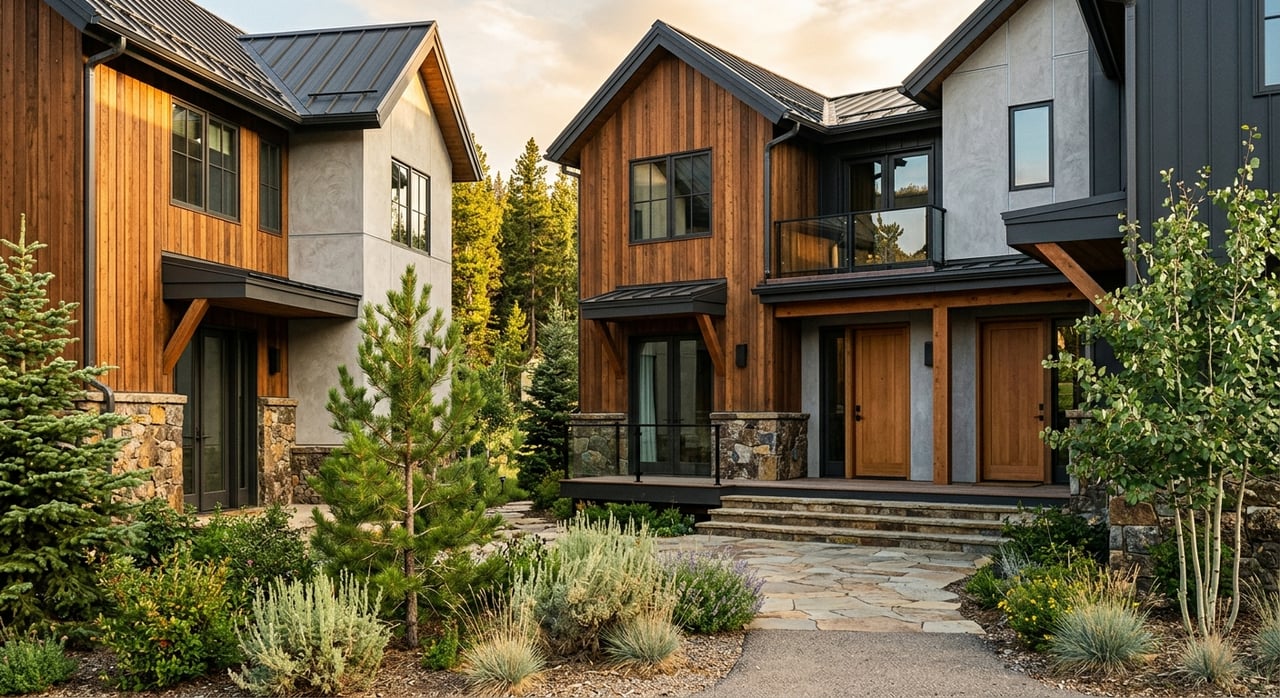
If you want Park City access without feeling like you live in the middle of a nightly-rental zone, Sun Peak is worth a close look. For many buyers, the challenge is finding a neighborhood that balances trail access, ski proximity, and a true residential feel. This guide will help you understand what Sun Peak offers, who it tends to suit best, and what to verify before you make a move. Let’s dive in.
Where Sun Peak Sits in Park City
Sun Peak is located in Summit County along Park City’s north-entry corridor, with the main HOA entry off Bear Hollow Drive and Sun Peak Boulevard. The neighborhood is described by the HOA as being nestled between Utah Olympic Park and Canyons Ski Resort, and it is about 35 miles from Salt Lake City International Airport.
In practical terms, many buyers think of Sun Peak as being between Canyons Village and Kimball Junction. That is useful shorthand for location, but it is better understood as corridor language than a formal boundary. What matters most for you is the convenience: you are close to the SR-224 spine, near major Park City access points, and just minutes from Historic Park City.
What Makes Sun Peak Distinct
Sun Peak stands out because it feels more residential than many resort-adjacent areas in Park City. The HOA oversees common areas that include a clubhouse, tennis courts, pool, playground, and open spaces, and the neighborhood is structured around a master association rather than a transient resort setup.
The HOA also states that it owns 312 acres of open space. That gives the neighborhood a stronger sense of separation and breathing room, which can matter if you want mountain access while still preserving a neighborhood atmosphere.
Another key distinction is how tightly amenities are managed. The pool is for residents only, and the courts are resident-use amenities with reservation limits and seasonal hours. That controlled setup tends to appeal to buyers who want a more private, community-oriented home base.
Trail Access Is a Real Advantage
For many Sun Peak buyers, trail access is not just a perk. It is one of the main reasons to consider the neighborhood. The HOA map shows several direct trail connections, including Collins Trail, Rob’s Trail to Mid Mountain Trail and Ambush Trail, the Sun Peak HOA Trail, UOP Trail, and the Enclave’s private trail.
That means you may be able to get onto the regional trail system without loading the car or planning around parking. If your ideal Park City routine includes walking, hiking, or biking straight from home, Sun Peak checks an important box.
That local access also connects you to a much bigger recreation network. Park City says the surrounding area includes more than 7,000 acres of preserved open space and more than 350 miles of recreational trails. For you, that means Sun Peak is not just near recreation. It is plugged into one of the region’s defining lifestyle assets.
Amenities Support Daily Living
Sun Peak’s amenity package is geared toward residents rather than short-stay guests. The master association highlights a recreation center, exercise room, seasonal swimming pool, tennis courts, playground, and open spaces.
If you are buying a primary residence, that can add day-to-day value without pushing the neighborhood into a resort-condo feel. If you are buying a second home, these amenities can support easy, low-friction stays while still preserving a quieter residential rhythm.
The HOA also notes that the clubhouse can be rented by owners for special events. That is a small detail, but it reinforces the neighborhood’s focus on owner use and longer-term enjoyment rather than transient traffic.
Sun Peak Housing Options
Sun Peak is not a one-product neighborhood. The recorded map shows several residential areas, including Cedar Draw Estates, Cedar Draw Estates II, Mahogany Hills, Mahogany Hills II, Willow Draw plats A through F, and The Cove at Sun Peak Estates and Condos.
That variety matters because it gives buyers more than one path into the neighborhood. Based on HOA mapping and county records, Sun Peak includes both detached homes and attached housing options, rather than functioning as a single-format subdivision.
Current MLS examples support that mix. One active Mahogany Hills listing is a single-family home with south-facing views toward Canyons Village and Deer Valley, while an active listing in The Cove at Sun Peak is a condo with mountain and lake views.
For you, the practical takeaway is simple: Sun Peak can work whether you want a view-oriented detached home or a lower-maintenance attached property. That flexibility is part of the neighborhood’s appeal.
Who Sun Peak Fits Best
Primary-home buyers
Sun Peak makes a strong case for buyers looking for a full-time Park City home base. The HOA describes the neighborhood as within walking distance of schools, churches, and hiking and biking trails, and the amenity package supports a more settled residential lifestyle.
If your priority is living close to recreation while still having a neighborhood structure around you, Sun Peak can be a strong match. It offers convenience and access without reading like a resort district built around short stays.
Second-home buyers
Sun Peak can also work well as a second-home neighborhood, especially if you want airport convenience, quick ski access, and a more residential setting. Being about 35 miles from Salt Lake City International Airport is a meaningful advantage for owners coming in and out regularly.
At the same time, you should be clear-eyed about what kind of second home this is. Sun Peak is better suited to buyers who want personal use, longer stays, and a neighborhood feel than buyers who need short-term rental flexibility.
Buyers focused on nightly-rental income
This is where Sun Peak is usually not the right fit. The HOA states that nightly rentals are not permitted, and the rules specify that homes may not be rented or leased for periods of less than 30 consecutive days.
That does not make Sun Peak less valuable. It simply means the neighborhood serves a different purpose. If your priority is a primary residence or a second home with a more stable residential environment, those leasing restrictions may actually be a benefit. If your plan depends on nightly rental use, you will likely want to look elsewhere.
What to Verify Before You Buy
Even in a well-defined neighborhood, details matter. Before you make an offer in Sun Peak, it is smart to confirm a few property-specific points.
Check the property type
Make sure you know whether the home is a detached property or part of The Cove at Sun Peak sub-association. The neighborhood includes multiple residential areas, and ownership structure can affect rules, maintenance, and the buyer experience.
Confirm amenity rights
Do not assume every property has the same use rights. Verify exactly which amenities transfer with ownership and whether there are any usage rules tied to the specific property or sub-association.
Review leasing limits carefully
The broad neighborhood rule is clear: no nightly or short-term rentals under 30 days. Even so, you should review the governing documents for the specific property so you understand all applicable leasing limitations before closing.
Understand roads and access
The HOA map notes that Summit County maintains most roads, except private roads inside The Cove. That may not change your decision, but it is the kind of operational detail worth understanding ahead of time.
Look at parking and garage setup
Parking and garage capacity can vary by property type. If you plan to store gear, host guests, or use the home seasonally, this is an easy item to verify early.
Is Sun Peak the Right Fit for You?
Sun Peak tends to make the most sense if you want direct trail access, controlled amenities, and a residential setting near major Park City destinations. It offers a strong blend of convenience and open-space character, and it feels more neighborhood-driven than many resort-adjacent options.
It may be especially compelling if you want to move easily between skiing, trails, Kimball Junction conveniences, and Historic Park City without giving up a sense of privacy and structure. The housing mix also gives you options, from detached homes to lower-maintenance attached residences.
The biggest decision point is your intended use. If you want a primary residence or a second home with a true neighborhood atmosphere, Sun Peak deserves serious consideration. If you need nightly-rental flexibility, it is probably not your best match.
When you are evaluating a Park City micro-market like Sun Peak, the details matter. Property type, sub-association structure, amenity rights, and leasing rules can all shape whether a home fits your lifestyle and long-term goals. If you want experienced, local guidance on whether Sun Peak aligns with your plans, Jake Doilney can help you compare options with a clear, neighborhood-specific perspective.
FAQs
Is Sun Peak in Park City a good place for a primary residence?
- Yes. Sun Peak is positioned as a more residential neighborhood with trail access, owner-focused amenities, and a location close to Park City’s north-entry corridor.
Are short-term rentals allowed in Sun Peak?
- No. The HOA states that nightly rentals are not permitted, and leasing periods must be at least 30 consecutive days.
What kinds of homes are in Sun Peak?
- Sun Peak includes a mix of housing types, including detached homes and attached options such as condos or townhome-style residences in areas like The Cove at Sun Peak.
Does Sun Peak have direct trail access?
- Yes. The HOA map shows multiple direct trail connections, including links to Rob’s Trail, Mid Mountain Trail, Collins Trail, Ambush Trail, and other neighborhood trail routes.
What amenities does Sun Peak offer residents?
- The master association oversees amenities that include a clubhouse, recreation center, exercise room, seasonal pool, tennis courts, playground, and open spaces.
What should buyers verify before purchasing in Sun Peak?
- Buyers should confirm the property type, any sub-association structure, amenity rights, parking and garage details, road maintenance, and all leasing rules that apply to the specific home.