Open any Park City search tool this week and Glenwild reads like a moderately priced golf community. As of August 1, 2026, thirty-eight active listings show a median list price of about $2.14 million and an average of roughly $884 per square foot, with days on market averaging 112. Nothing about that snapshot suggests the top of the market.
Then look at what actually closed. Trailing twelve-month single-family sales in Glenwild ran from the mid-$4 million range to $15.5 million, with a median near $7.9 million and about $1,124 per square foot. The list-price median and the closed-sale median describe two different markets, and the gap is the whole story of buying here.
The two medians describe different products
The active list contains a heavy share of lots and smaller resales that pull the median down. The closed number is what a finished, ARC-compliant custom home on a real Glenwild parcel is trading for. A buyer who anchors to the $2.14 million list median walks into a written offer conversation expecting a Park Meadows number and gets a Deer Valley one instead.
Two things drive that spread. The first is supply. Glenwild is capped at 196 homesites across 1,600 acres in the Snyderville Basin, with more than half of the site permanently preserved as open space. The community cannot grow into more inventory, so scarcity holds the closed prices up while the active list drifts on whatever mix of lots and resales happens to be posted that month.
The second is what the sticker never includes: the club.
The club is unbundled, and that is unusual
At Promontory, Red Ledges, and Tuhaye, buyers walk in expecting to buy the house and step into a tiered membership as part of the same conversation. Glenwild is structured the other way. Owning a home or lot does not include club access, and holding a membership does not require owning property. Applications go to the Club Board separately.
The economics, per the current Glenwild Membership Guide, look like this:
- Equity Golf Membership — $200,000 initiation, $28,600 annual dues, $250 monthly capital dues. Unlimited tee times on the Tom Fazio championship course, the practice complex, the caddie program, and full clubhouse and spa access.
- Non-Equity Social Membership — around $50,000 initiation and $11,425 annual dues. Full access to the 37,000 square foot clubhouse, the spa, fitness, tennis, dining, and the groomed cross-country trails. Social members can play golf up to six times per season as the guest of a golf member.
- Neither — a legitimate choice, especially for buyers whose life is centered on Kimball Junction, the resorts, and the private trail system inside the gates.
The direct contact for current terms and the waitlist status is Daniel McBride, Director of Member Experience.
The mid-funnel implication is straightforward. A buyer who wants the Equity Golf lifestyle is really writing an offer at list price plus roughly $200,000 upfront and roughly $32,000 a year in dues and capital. A buyer who wants Social is closer to $50,000 upfront and $11,425 annually. A buyer who wants neither is buying a very different community than the marketing implies, and should price the home accordingly. None of these three buyers should be paying the same number for the same house.
That is the market inefficiency worth exploiting. In a bundled community, the membership premium is built into the sale price and every buyer pays it whether they use it or not. In Glenwild, the membership decision belongs to the buyer, and a well-represented buyer can hold a seller to a price that reflects the home, not an amenity the buyer may or may not want. It also means Glenwild attracts a different composition of owners: roughly 55% are full-time residents, which is why the roads are plowed on schedule and the neighborhood functions as a year-round community rather than a shoulder-season ghost town.
Three frictions that surface at inspection, not before
The obvious diligence items are the ones that catch offers. Three specific to Glenwild are worth flagging before an offer, not during:
- The HOA transfer fee at closing. Glenwild's HOA runs independently of the club and assesses a transfer fee percentage at every sale. This is not a club initiation. It is a separate line item on the settlement statement, and it should be modeled into the buyer's cash-to-close, not discovered on the closing disclosure.
- ARC compliance history on the specific parcel. Every Glenwild home has been through the Design Review Committee. Homes with clean ARC files trade differently than homes with open matters, unpermitted additions, or landscape changes that were never approved. This is a title-and-diligence question, and the answer sometimes changes the offer.
- The no-short-term-rental rule. Nightly rentals are not permitted inside the gates. That single rule removes a large category of investor and speculative buyer from every Glenwild transaction, which is part of why owner retention is strong and why the community reads as residential rather than resort. A buyer whose underwriting depends on rental income needs a different neighborhood. A buyer who wants quiet is being handed a structural advantage.
Any one of these items can be a deal-mover. All three should be answered in writing before the earnest money hits escrow.
What the closed median actually buys on the ground
The trailing-twelve-month spread from the mid-$4 millions to $15.5 million is not noise. It is a map of the community.
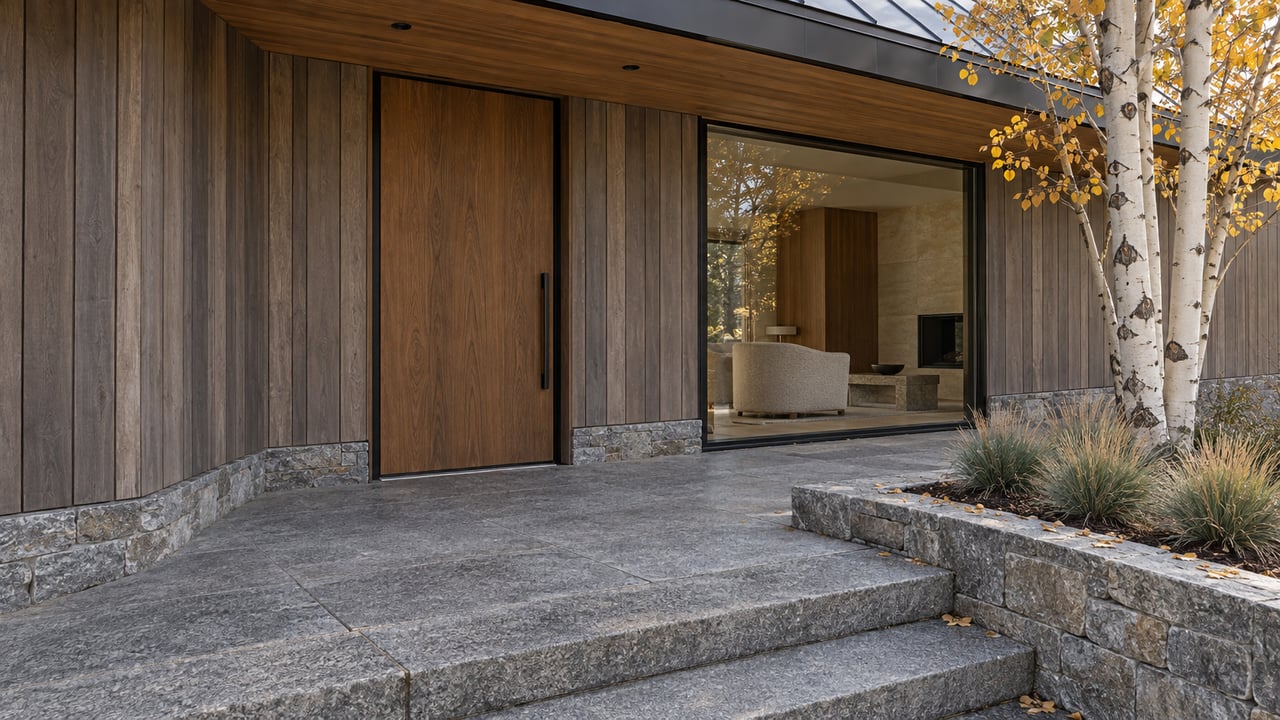
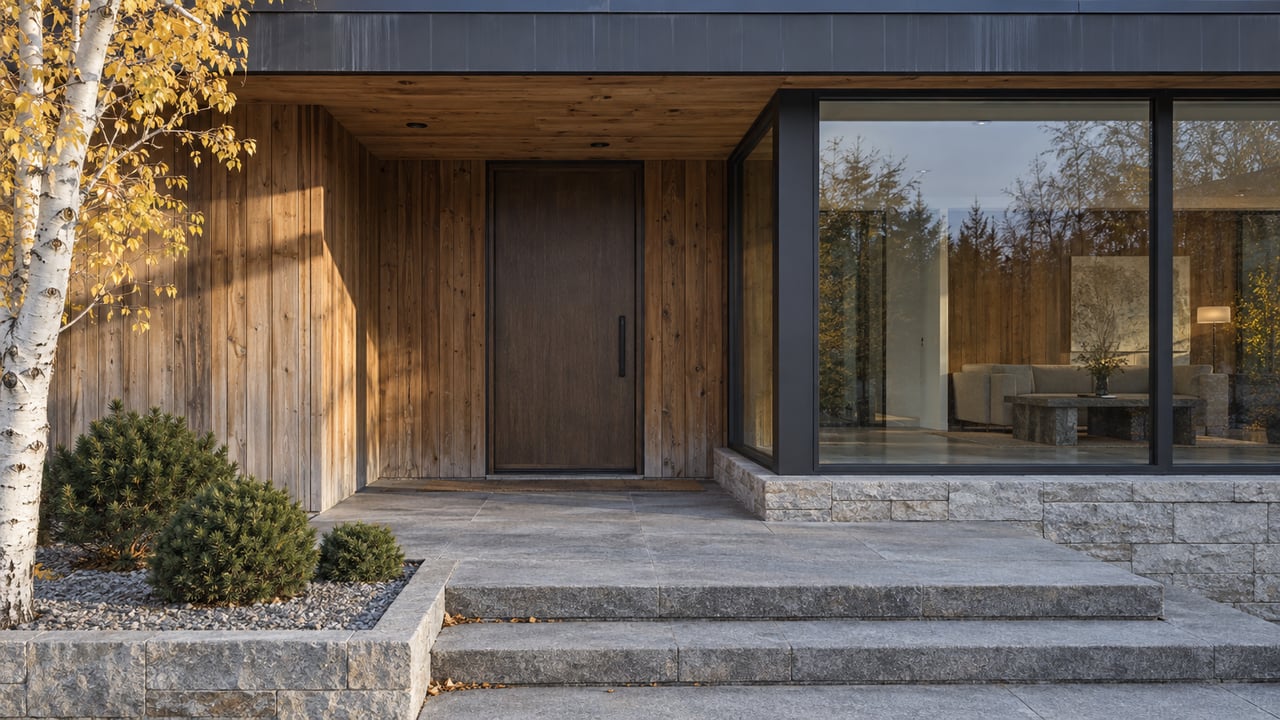
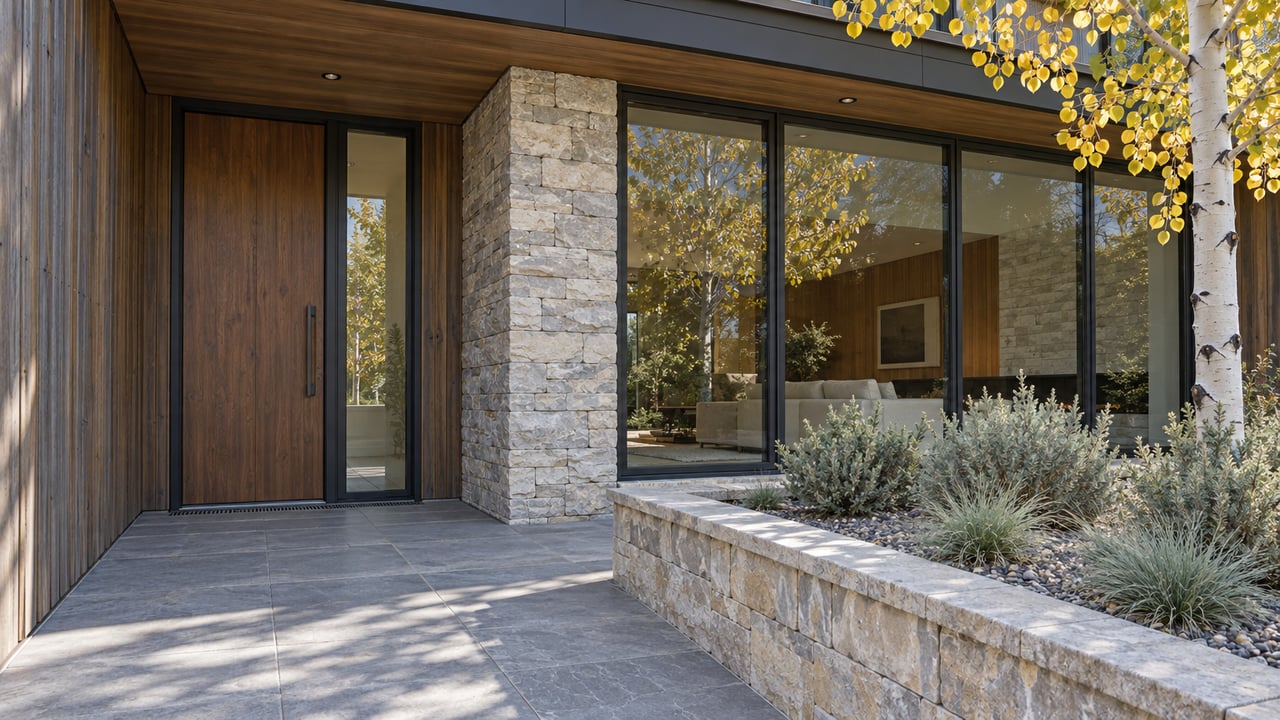
At the lower end, buyers are typically getting an earlier-generation build on a smaller parcel, often set back from the course with view corridors filtered through mature planting. In the middle, closer to the $7.9 million median, the inventory shifts to newer custom homes in the 5,000 to 8,500 square foot range on lots sized from just under an acre to a few acres, with real Wasatch Range exposure and, in many cases, direct backing to specific course holes. At the top, trophy-tier estates sit on the most-coveted Phase I addresses along Purple Sage and Snow Berry, with Michael Upwall and other Utah architects on the design side and sightlines that pull in Deer Valley and Park City Mountain from the same terrace.
Golf course lots command a premium for fairway views and clubhouse proximity, which mostly matters to owners who intend to hold an Equity Golf membership. Ridge and view lots without course frontage trade at a different premium, one calibrated to Wasatch views and privacy rather than proximity to the sixth green. Cul-de-sac parcels sell to buyers who prioritize seclusion above both. The right lot for a specific buyer depends on which of those premiums they are willing to underwrite, and matching the wrong lot to the wrong buyer is the most common overpayment in this market.
Access matters to the number too. Glenwild is roughly six miles from Park City's Historic Main Street, ten minutes from Kimball Junction, and about twenty-five to thirty minutes from Salt Lake City International via I-80 off Bitner Ranch Road. Homes closer to the gatehouse feel closer to town. Homes deeper in Phase I feel meaningfully more remote, which is either the point or the problem depending on how the household uses the property Monday through Thursday.
A pre-offer checklist for Glenwild
Before writing an offer on a Glenwild home, verify in writing:
- Current HOA dues, reserve fund status, and the exact transfer fee percentage assessed at closing.
- Current club initiation and annual dues for Equity Golf and Social, plus current waitlist position if any, confirmed with club management.
- The full ARC file on the specific parcel, including any open matters or unapproved improvements.
- Rental status confirmation that the property is not being marketed with a nightly-rental assumption baked into the price.
- Park City School District enrollment boundary for the specific address, if that matters to the household.
The buyers who answer these five questions before they write close cleanly. The buyers who answer them during inspection lose time and, more often than they should, the deal.
FAQ
Is club membership required to own in Glenwild? No. Ownership and membership are independent, and applications for either Equity Golf or Social membership go through the Club Board on their own timeline.
Can I buy in Glenwild as a short-term rental investment? No. Short-term nightly rentals are not permitted inside the gated community. Owner-occupied and long-term use are the intended patterns.
Why is the list-price median so far below the closed median? The active list this month is weighted toward lots and smaller resales, while closed single-family activity over the trailing twelve months has centered on newer custom homes in the mid-seven-figures and above. The two numbers describe different products in the same community.
Glenwild rewards buyers who price the whole transaction, not just the home. If you are weighing a specific parcel, considering the trade between an Equity Golf and Social membership, or trying to read the current active list against what has actually closed, Timeless Properties works these numbers property by property. Schedule a free consultation and we will walk the math with you before you write.