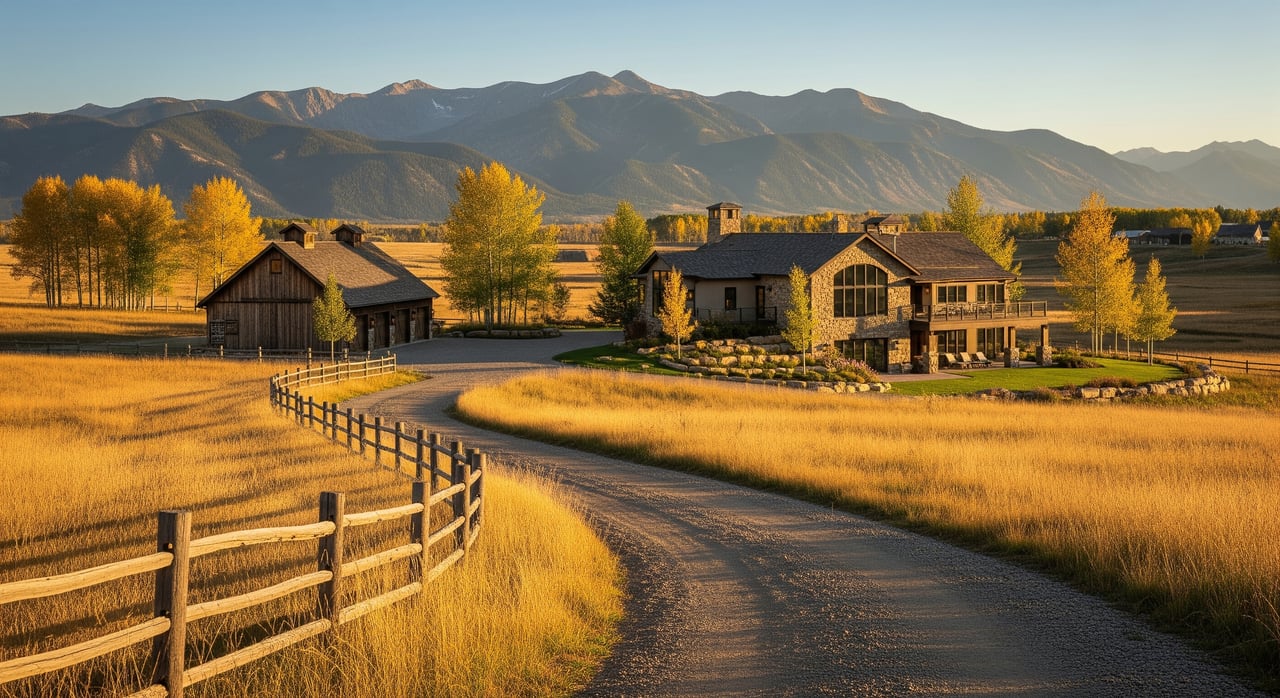
Thinking about bringing your Old Ranch Road acreage to market? Rural land sells differently than a home, and the right prep can add real value while removing surprises for buyers. You want a smooth sale, a strong price, and confident negotiations. This guide walks you through what to gather, what to fix, how to price, and how to position your land so the best buyers see it clearly. Let’s dive in.
Nail the legal picture first
A clean, well-documented file builds buyer trust and speeds your closing. Start with the essentials and confirm what you actually own and can sell.
Title, deed, and survey
- Order a recent title report and review the full deed history to confirm the legal description matches tax records and your planned listing details.
- Provide a current boundary survey. A recorded ALTA or recent staked boundary map helps buyers and lenders and can prevent boundary disputes.
Access and easements
- Confirm all recorded easements, including ingress and egress and any utility corridors. Buyers will ask how they legally reach the property.
- If access is via a private road, gather the road maintenance agreement or HOA/road association documents. Clarify who plows, grades, and pays.
- Identify public road frontage and where legal access is recorded.
Water rights and domestic supply
- In Utah, water rights follow prior appropriation and may be appurtenant to the land or severed. Gather certificates, irrigation shares, and any transfer records.
- If you have a well, compile well logs, permits, production rates, pump depth, and recent water quality results.
- If irrigation shares or a company diversion serve the property, include proof of shares and contact details.
Septic and wastewater
- Provide septic permits, as-built plans, and inspection or pump records. If no system exists, consult the county health department on feasibility and setbacks.
- A soil percolation test can reduce septic contingencies and speed due diligence.
Zoning and development potential
- Confirm current zoning, permitted uses, setbacks, and minimum acreage for new lots. Ask about overlay districts that could affect development.
- Understand lot-split or subdivision rules, density limits, and any pending code changes with county planning.
Conservation, minerals, and disclosures
- Document any conservation easement, agricultural preservation agreement, or deed restriction. These can shape value and buyer interest.
- Clarify mineral rights status. Note if rights are reserved, severed, or included.
- Utah requires property condition disclosures. Be ready to disclose material facts like boundary disputes, septic or well issues, legal actions, or environmental hazards.
Prepare the land for showings
A clear, safe, and accessible property helps buyers see potential. Small steps here can pay off at offer time.
Access and presentation
- Grade or add gravel to driveways where needed. Clear brush and snow so showings are straightforward.
- Post directions to legal access points. Do not create informal paths that may cause trespass issues.
- Remove trash, old equipment, or unsafe structures that distract buyers.
Vegetation, fences, and weeds
- Mow a clean corridor and tidy around gates, entrances, and key overlooks or build sites.
- Repair visible fences that frame the property well.
- Address noxious weeds and keep receipts or notes of control steps.
Utilities and structures
- For existing buildings, provide maintenance records and utility status. Confirm code compliance where applicable.
- If utilities are not on site, document the nearest lines, estimated extension distances, and the utility providers. This helps buyers budget.
Soil, drainage, and wildfire
- Flag wet or low-lying areas, note seasonal drainage, and consider sharing contour or soil maps if available.
- Consider a soils or percolation test to support septic feasibility.
- Create defensible space around structures and document wildfire mitigation. Buyers increasingly weigh insurance and risk.
Environmental considerations
- Identify and disclose underground tanks, potential contamination, or mine hazards if present.
- If streams or wetlands are nearby, note any delineations or potential permitting.
Price acreage the right way
Acreage pricing is not one-size-fits-all. Focus on what makes your land usable, scarce, or flexible.
Key value drivers
- Water rights and dependable domestic supply
- Usable acreage vs. steep, rocky, or wet terrain
- Legal access and road maintenance clarity
- Views, topography, and privacy
- Proximity to services and markets
- Utility availability or extension costs
- Permitted uses and potential for lot splits
- Agricultural or recreational income potential
Smart comp selection
- Use recent sales on or near Old Ranch Road with similar size, access, and water rights.
- Adjust for buildable acreage, road maintenance responsibility, and utility proximity.
- Consider a land appraiser or a broker experienced with Summit-area acreage for a credible price range.
Special considerations and tactics
- Conservation easements or agricultural classification can affect value and taxes and may attract niche buyers.
- If development potential exists, outline the entitlement path and consider pricing raw land and entitled options separately.
- Offer a concise factsheet with acres, buildable acres, water data, well yield, septic status, road agreements, utility distances, zoning, easements, and any grazing or rental income.
Position your listing for the right buyers
Different buyers notice different features. Tailor your story and materials accordingly.
Likely buyer groups
- Hobby farmers or horse owners seeking grazing, fencing, and barn space
- Privacy and recreation buyers who want trails and open land
- Developers or land investors evaluating lot splits or future density
- Conservation-minded buyers interested in open space
- Rural homestead buyers seeking year-round access and amenities
Marketing that works for acreage
- High-quality aerials and drone video to show boundaries, build sites, water features, roads, and views
- A boundary overlay map from a survey or GIS, a topo map, and a vicinity map to show proximity to services and major roads
- A data-forward factsheet that answers common questions at a glance
- A seller documents bundle: survey, title, water-rights, well, septic, easements, HOA or road association items, and any environmental reports
- A virtual tour or guided video for remote buyers
Where and how to list
- Use the local MLS and complete land fields thoroughly.
- Add land-specific portals and targeted ads to reach niche buyers. Social content should highlight the property’s unique assets.
- Coordinate with a land-experienced local broker who already works with ranchers, investors, and recreational buyers.
Prepare for buyer due diligence
Expect detailed contingencies and plan to respond quickly.
- Survey and boundary confirmation
- Title and easements review
- Well production and water quality testing
- Septic feasibility or inspection and pump-out records
- Soils, erosion, and buildability assessments
- Environmental review or wetlands check if relevant
- Zoning and utility availability or extension costs
- Access confirmation and road maintenance verification
- Mineral rights confirmation
- Floodplain and risk assessments; cultural resource checks for development plans
Consider pre-testing wells and septic and sharing results to reduce friction and shorten contingency timelines.
Taxes, incentives, and financing
Land deals often involve unique financial planning. Share what you know and bring in specialists when needed.
- Check the current property tax classification with the county assessor and note how a change of use may affect taxes.
- If deferring capital gains is a goal, look into 1031 exchanges and escrow timing early.
- Conservation easements can reduce sale proceeds but may offer tax benefits and attract mission-driven buyers.
- Many land buyers use cash or specialized land loans with larger down payments and higher rates. Decide in advance whether you will consider seller financing.
Timeline and negotiation tips
Rural acreage transactions can take longer than home sales. Set expectations and keep momentum.
- Build realistic contingency periods for surveys, tests, and planning checks.
- Keep the property accessible for site visits with clear directions and parking.
- Provide a complete documents packet up front and answer questions quickly.
- Consider concessions like sharing well or percolation test costs when it helps close gaps.
Old Ranch Road seller checklist
Use this quick list to get market-ready faster.
Documents
- Deed and recorded legal description
- Latest title report or preliminary title commitment
- Current boundary survey and any past surveys
- Plat maps and GIS parcel printouts
- Well logs, well permits, and pump test results
- Water-right certificates and irrigation share documents
- Septic permits and inspection or pump records, or percolation results
- Easements and right-of-way documentation
- HOA or road association bylaws and maintenance agreements
- Mineral rights documentation
- Zoning info and any prior planning approvals or permits
- Recent property tax bill and classification
- Environmental or archaeological reports, if any
Physical prep
- Grade or gravel the driveway; fix hazards
- Mow pathways to build sites and view spots
- Remove or secure dilapidated structures
- Control weeds and tidy visible fences
- Create a clear parking area and signage for showings
- Arrange professional aerial photos and produce a one-page factsheet
Next steps
When you line up your documentation, clarify access and water, and present the land with strong visuals, you give buyers confidence and protect your price. If you want principal-led guidance, premium marketing, and access to global buyers, connect with Jake Doilney to schedule a free consultation.
FAQs
What should Old Ranch Road sellers gather before listing?
- A recent title report, current boundary survey, water-right and well documentation, septic permits or percolation results, easements and road agreements, zoning details, and the latest tax bill.
How important are water rights when selling Summit County acreage?
- Water rights often drive value; confirm what is included, provide certificates or share documents, and be prepared for transfer steps during closing.
How do buyers verify septic feasibility on raw land?
- Buyers typically order percolation tests or review county health guidance; pre-testing or sharing prior results can reduce contingencies.
What access details do Old Ranch Road buyers expect?
- Clear legal access via recorded easements or public frontage and written road maintenance terms if a private road is involved.
How are comps chosen for acreage along Old Ranch Road?
- Use recent local land sales with similar size, access, utilities, and water rights, then adjust for usable acreage, topography, and maintenance obligations.
Do conservation easements help or hurt value for land sellers?
- Easements can limit development and reduce market value for some buyers, but may offer tax benefits and appeal to conservation-focused purchasers.