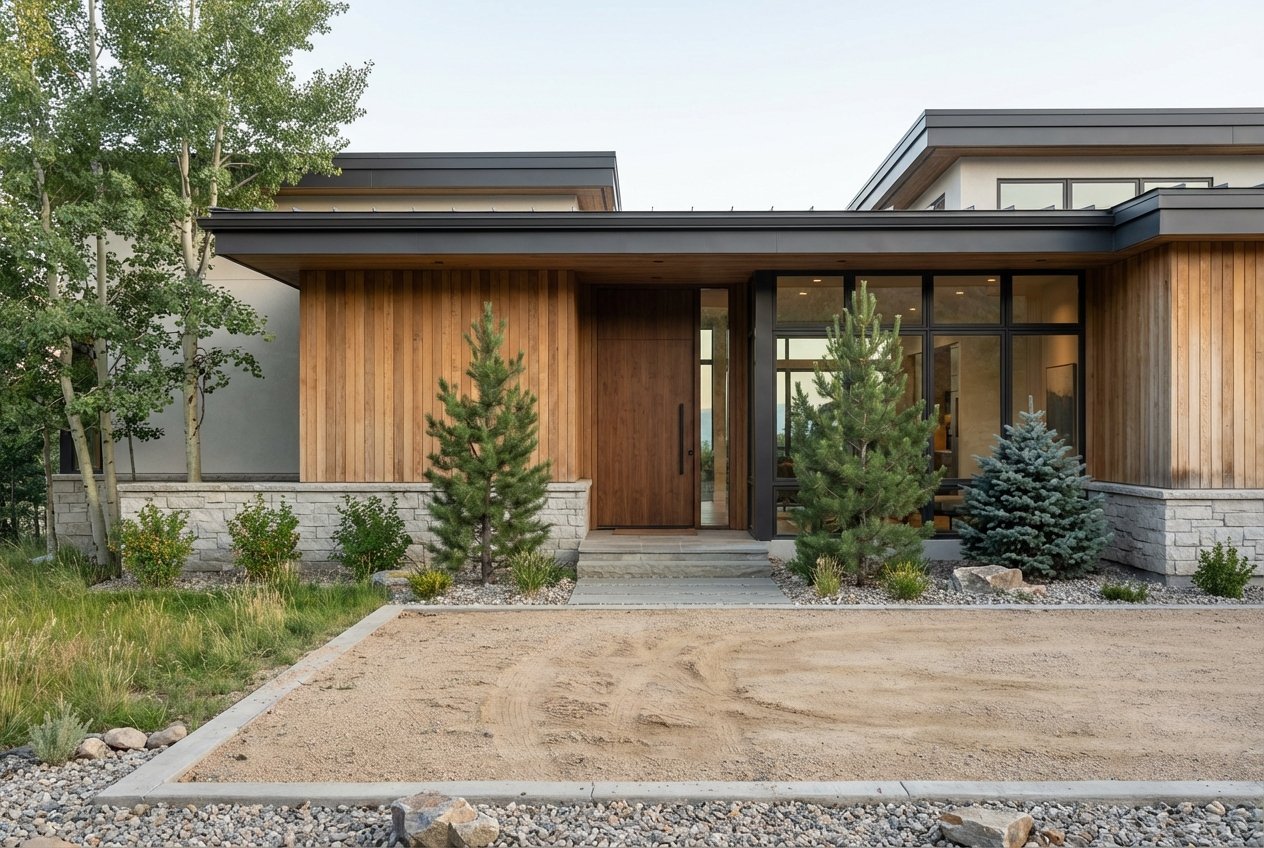
You do not buy acreage on Old Ranch Road by accident. You choose it for space, privacy, and the rare mix of ranch character with quick access to Park City life. If you are aiming for a generational estate, you also want clarity on what you can build, how services connect, and which rules will shape your plans. This guide gives you a clear, practical path so you can move from vision to vetted opportunity with confidence. Let’s dive in.
Why Old Ranch Road stands out
Old Ranch Road is known for low‑density living, long sightlines to the Wasatch, and a patchwork of legacy ranches and modern estates on generous lots. The corridor sits in the Snyderville Basin with direct adjacency to trail networks and preserved open land that protect views and lifestyle.
You are minutes from recreation and amenities, yet still feel removed. Many listings call out proximity to Canyons Village and Kimball Junction, but drive the routes from your specific parcel to confirm real travel times and access points.
Summit County has also advanced improvement projects in the corridor, including trail connections and selective utility undergrounding. Construction timing can influence site access and build schedules, so verify the current status with county public works before you close or mobilize.
Zoning and land use shape outcomes
Most Old Ranch Road parcels fall within the Snyderville Basin Planning District and are regulated by the Snyderville Basin Development Code (Title 10). The code sets low base densities and adds special standards for “Critical Lands,” including ridgelines and steep slopes. Review the applicable rules in the county’s posted Title 10 resources to ground your plan in what is allowed.
- Read the governing framework in the Snyderville Basin Development Code. Summit County Development Codes
- Confirm your exact zone and any overlays, such as Rural Residential or Hillside Stewardship, on the official zoning layers. Snyderville Basin zoning map
Ridgeline rules matter. Recent case law shows how strictly the county applies disturbance caps and scenic protection standards on large lots. Parcels on or near ridgelines often face tighter limits on height, grading, and site disturbance. Early design work and a pre‑application meeting with planners can save months and avoid redesigns. Bermes v. Summit County
Zoning action steps
- Pull the parcel’s zoning, overlays, and any recorded conditions from county maps and records.
- Schedule a pre‑application review with planning to test concepts before architectural spend.
- Map slopes, potential ridgeline visibility, and likely disturbance envelopes with a civil and geo team.
- If the lot is “grandfathered” or unusually small, verify its entitlements and any prior approvals.
HOA enclaves vs. independent parcels
Old Ranch Road includes both HOA communities and independent large‑acre tracts with no HOA. Two Creeks, Quarry Mountain Ranch, and Willow Creek Estates are examples of HOA‑governed enclaves with design review and covenants. Many legacy parcels outside those gates have more flexibility but can still carry easements or recorded restrictions.
“No HOA” does not mean “no rules.” You still need to review the title report, plat notes, any conservation easements, and obligations from special service districts. These documents influence design, guest house allowances, fencing, road maintenance, and more.
What to review for governance
- Current CC&Rs, architectural guidelines, and any community design standards.
- Rental policies, guest house or ADU rules, and transfer or capital contribution fees.
- Recorded easements, conservation or view corridors, and shared road or utility agreements.
- Reserve studies and meeting minutes, if in an HOA, for upcoming assessments or policies in flux.
Utilities, water, sewer, and site readiness
Culinary water service for much of Snyderville Basin is provided by Mountain Regional Water Special Service District. Confirm availability, connection or standby fees, and whether service is at the lot line. Ask for service maps and any capacity notes for large builds. Mountain Regional Water FAQ
Wastewater is managed by Snyderville Basin Water Reclamation District. Many Old Ranch Road properties connect to public sewer, while some outliers may require private systems. Verify connection points, permits, and impact fees early. SBWRD service information
Water rights require special attention. Some parcels convey historical water shares or irrigation rights. Treat any advertised acre‑feet as a prompt to verify with the title company and the Utah Division of Water Rights whether rights are appurtenant or separately owned.
Premium listings may note “utilities stubbed” or a nearby transformer. Always confirm in escrow with utility records and as‑built maps. County road or trail work may temporarily affect driveway routing and construction access, so factor possible staging constraints into your schedule.
Utility due diligence checklist
- Confirm culinary water availability, meter size options, and connection or standby fees with MRW.
- Verify sewer connection points, inspection requirements, and fees with SBWRD.
- Clarify water rights or shares conveyed at closing and whether irrigation delivery exists.
- Check power location, transformer sizing, and any trenching or easement needs for service.
Trails, equestrian access, and open space
Old Ranch Road connects directly to the Willow Creek and Round Valley trail network, which offers groomed Nordic tracks in winter and multi‑use trails in summer. For many buyers, daily trail access at your doorstep is as valuable as square footage. Basin Recreation trail status
Large swaths of adjacent land are preserved as open space, including the Osguthorpe Farm, which protects scenery and limits future development pressure around the corridor. These easements can support long‑term value by safeguarding views and the rural feel. Osguthorpe Farm conservation
Equestrian use is common, but it still requires permits and planning. Corral and barn placements must meet setbacks, and manure management plans may be required. Confirm any HOA restrictions and local animal‑control rules before designing a full stable program.
If you plan barns or arenas
- Verify allowed animal units, shelter permits, and setback standards with county planning.
- Confirm water availability for stock, including frost‑free hydrant placement and irrigation.
- Review HOA rules on fencing, lighting, arena surfacing, and hours of use if applicable.
Market context, resale, and rentals
Park City’s luxury segment has shown resilience, with recent Board of REALTORS reports noting increased unit sales and modest median price growth in 2024 and into 2025. Neighborhood selection and lot characteristics drive outcomes, so match your valuation work to Old Ranch Road‑specific comparables and attributes. PCBR market statistics
Scarcity is your friend. Large, buildable, mostly flat acreage near preserved open space and trails is rare. Parcels with ridgeline exposure, strict disturbance caps, or recorded easements require thoughtful pricing and design strategy. Document your by‑right program, utility readiness, and view protections to support future resale.
Short‑term rental rules are evolving. Summit County has restricted nightly rentals in some accessory dwellings in line with state policy, and HOAs often set stricter rules. If rental income is part of your plan, confirm the correct jurisdiction and HOA rules before underwriting. County STR update for ADUs
Resale positioning moves
- Lead with privacy, protected view corridors, and direct trail connectivity.
- Show clear entitlement and site readiness: water, sewer, power, and approved access.
- Document design compliance with ridgeline and disturbance standards to reduce buyer risk.
- Use micro‑market comps and PCBR data to validate pricing and hold period assumptions.
The biggest risk checks to clear early
- Critical lands and ridgeline rules: Expect heightened review for homes, grading, and large accessory buildings. Snyderville Basin code
- Water rights and delivery: Verify what conveys and how water will be delivered for domestic, irrigation, and stock.
- STR and ADU shifts: Rules change and HOAs vary. Confirm before you count on rental income. County STR update for ADUs
- Wildfire and WUI: Expect more focus on defensible space, home hardening, and insurance implications. Summit County updates
- Public works and easements: Trail or road work can affect access and construction timing. Verify recorded easements and staging with the county.
Step‑by‑step due diligence plan
- Confirm jurisdiction and zoning for the exact parcel, then pull the Snyderville Basin Development Code sections that apply. Summit County Development Codes
- Use county GIS and the official zoning layers to identify overlays such as Critical Lands or Hillside Stewardship. Zoning and overlays
- Order a preliminary title report that captures all easements, conservation instruments, water rights or shares, and any CC&Rs.
- Contact Mountain Regional Water and SBWRD to confirm service availability, impact fees, and connection timelines. MRW FAQ | SBWRD info
- Engage a local civil and geotechnical team to map buildable area, driveway grades, drainage, and the practical disturbance footprint against code standards. Snyderville Basin code
- If you plan equestrian facilities, confirm setbacks, manure management requirements, and animal‑unit allowances with county planning.
- If in an HOA, obtain CC&Rs, design guidelines, minutes, and budgets to understand controls, fees, and any rental rules.
- Order a wildfire and fuels assessment, then get quotes for defensible space and insurance. Summit County updates
- Consult a local real estate attorney and land‑use counsel to pressure test your permit strategy and identify any need for variances.
- For valuation, use Old Ranch Road‑matched comparables and current PCBR reports rather than broad regional medians. PCBR market statistics
If you want a seasoned guide who knows the corridor parcel by parcel, reach out for a focused strategy session. You will get clear next steps, vetted vendors, and a plan that respects both your vision and the code. Connect with Jake Doilney to schedule a confidential consultation.
FAQs
Are Old Ranch Road parcels typically in an HOA?
- The corridor includes both HOA communities and independent parcels; review the title and CC&Rs on your specific lot to confirm governance and obligations.
Who provides water and sewer service on Old Ranch Road?
- Culinary water is often provided by Mountain Regional Water and sewer by SBWRD; confirm availability, connection points, and fees for your exact parcel with both agencies.
How do ridgeline rules affect building a large home?
- Snyderville Basin’s Critical Lands standards limit disturbance and visual impacts near ridgelines; plan early with planners and engineers to design within those limits.
Can I keep horses or build a barn on my estate?
- Many parcels are horse friendly, but you must verify setbacks, permits, manure management, water for stock, and any HOA restrictions before designing facilities.
Are short‑term rentals allowed for estates on Old Ranch Road?
- Rules vary by jurisdiction and HOA, and Summit County restricts nightly rentals in some accessory dwellings; verify current regulations before modeling rental income.