Is your home steps from the Silver Springs lakes, or are you eyeing one with a sparkling view across the water? In Snyderville Basin, even small differences in lake proximity can change value in a big way. You want a pricing plan that captures the lifestyle without overreaching in a niche market. In this guide, you’ll learn how lake adjacency works, what to verify before you buy or list, and how to price with confidence using local data. Let’s dive in.
What “lake-adjacent” really means
Waterfront lots
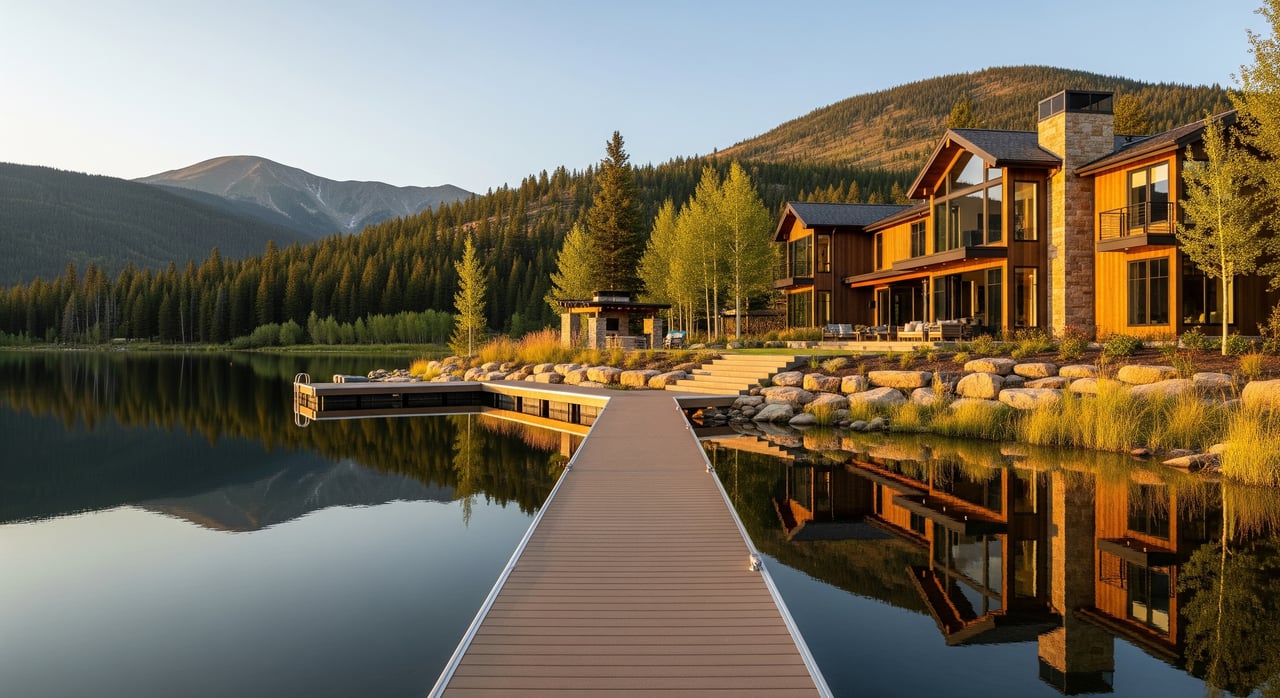
Waterfront means your parcel touches the shoreline. These homes usually command the highest premium because of direct access and unobstructed views. The size and usability of the shoreline, privacy, and permitted improvements all influence value.
Water view without frontage
If you see the lake but your lot does not touch the water, you still benefit from the view. View quality, angle, and permanence matter. Expect a positive impact on value, typically below true waterfront.
Community access only
Some Silver Springs properties do not have private frontage but enjoy HOA-managed access, such as a beach, path, or dock. The premium depends on exclusivity, rules, and the convenience of those shared amenities.
Near the lake with limited view
Proximity still boosts lifestyle appeal, but the pricing impact may be modest. Any premium will hinge on walkability, noise, and whether a future remodel could capture a better view.
The factors that move price
Frontage and usable land
Longer, more usable shoreline often increases value. Setbacks, slopes, vegetation, and wetlands can limit how you use that frontage. A large lot that is mostly unusable near the water will not perform like a flat, accessible one.
View quality and permanence
Wide, unobstructed views with strong sun exposure tend to be worth more. Look at the angle from main living spaces and decks. Consider whether landscaping, neighboring homes, or HOA rules could change your view over time.
Shoreline stability and improvements
Erosion, retaining walls, docks, or boathouses all influence price. Condition and permitting status matter. Unpermitted shoreline work can become a cost or a risk in a sale.
Flood risk and elevation
Flood exposure affects insurance, lending, and buyer confidence. Use the FEMA Flood Map Service Center to check your zone and request an elevation certificate if available. Even outside mapped flood zones, some lenders apply stricter guidelines near water.
Access and HOA rules
Private docks and beaches carry different value signals than community access. Review CC&Rs, rental policies, boat rules, and hours of use. These details shape both price and buyer demand.
Utilities and septic
Confirm whether the property is on municipal sewer or an on-site septic system. Septic capacity can limit expansions, while sewer connections can simplify future projects. The Summit County Health Department keeps septic permitting and maintenance records.
Privacy and noise
Privacy from paths or parks, nearby events, and the presence of motorized watercraft all affect buyer perception. A quieter shoreline setting can be a premium for some buyers, while others value easy public access.
How to value a lake-adjacent home
Match comps by adjacency type
Start with very recent Silver Springs comps that share the same adjacency category: waterfront vs. view vs. community access. If you widen the search area or timeline, document why and adjust carefully. Avoid generic percentage premiums without support from local sales.
Adjust for frontage, view, and usability
When comparing, adjust for linear feet of frontage, view quality, privacy, and the condition of shoreline improvements. Usable outdoor space near the lake matters. Track multiple transactions to spot consistent patterns in the lake premium.
Choose the right appraisal approach
The Sales Comparison Approach is primary for residential lakeside homes. If comps are scarce or the home is new, the Cost Approach can help, especially when you include shoreline mitigation costs. The Income Approach applies mainly if there is regular vacation rental history with documented rates and occupancy.
Account for seasonality and liquidity
In a resort-adjacent market, demand can shift with the seasons. A summer contract may look different from a winter one. Recognize that unique lakefront homes sell less often, which increases valuation uncertainty and makes your pricing posture even more important.
Buyer due diligence checklist
- Confirm lot lines and easements. Pull the deed, plat map, and a title report. Use the Summit County Recorder for recorded documents and the Summit County Assessor for parcel data.
- Verify flood status and elevation. Check maps through the FEMA Flood Map Service Center and request an elevation certificate if one exists.
- Review HOA rules and minutes. Look for policies on docks, boat storage, rentals, amenity hours, and assessments.
- Investigate shoreline condition and permits. Ask about any past dredging, retaining walls, or dock installations. Shoreline work often requires permitting through county and federal channels, including the U.S. Army Corps of Engineers.
- Check water quality history. Review advisories and reports with the Utah Division of Water Quality.
- Confirm utilities and septic. Verify sewer connection or obtain septic records with the Summit County Health Department.
- Clarify water rights. In Utah, shoreline ownership does not automatically convey water rights. Search records through the Utah Division of Water Rights.
- Schedule targeted inspections. In addition to a standard home inspection, consider structural reviews of retaining walls, docks, and slope stability. For complex sites, a geotechnical opinion is wise.
Seller strategy for Silver Springs
Decide your pricing posture
Classify your home clearly as waterfront, water view, community access, or near-lake. Pull matched comps and highlight unique attributes like broad view corridors, high-quality shoreline improvements, or a rare privacy setting. If the data supports a premium, show it with photos, documents, and clear descriptions.
Fix issues that block financing
Address safety or structural items that may spook lenders, such as failing retaining walls or unpermitted docks. Buyers and banks favor clean files with permits and engineering reports in hand. Repairs that remove financing barriers often pay for themselves through a stronger buyer pool.
Market the lifestyle with proof
Use sunrise and dusk photography, aerials showing the shoreline, and floor plans that point to key view angles. Provide copies of HOA rules, flood info, any elevation certificate, and permits for shoreline work. Buyers will pay more for the home that feels effortless and well documented.
Prepare for insurance questions
Even outside a mapped flood zone, some carriers apply higher premiums or exclusions near water. Be ready with your current policy details and any elevation data. Buyers appreciate clarity on likely coverage and costs under the National Flood Insurance Program and private insurers.
Key risks that change price
- Unpermitted shoreline structures that may need removal or retroactive permits.
- Deteriorating seawalls, docks, or visible erosion that signal future expense.
- Recorded public or utility easements along the shore that reduce privacy and utility.
- Adverse water quality history, such as recurring algal blooms.
- Flood exposure that triggers insurance requirements or lender overlays.
- Too few local comps, which can increase valuation uncertainty and call for a more conservative price or a professional appraisal.
Local resources you can use
- Summit County Assessor for parcels, lot sizes, and tax history.
- Summit County Recorder for deeds, plats, and easements.
- Summit County Planning Department for setbacks, land-use rules, and shoreline-related permits.
- Summit County Health Department for septic and onsite wastewater records.
- FEMA Flood Map Service Center for flood zones and base flood elevations.
- Utah Division of Water Rights for water-rights records and background on Utah’s appropriations system.
- Utah Division of Water Quality for water quality advisories and permits.
- U.S. Army Corps of Engineers for federal permitting on dredge and fill activities.
Ready to price or purchase with confidence in Silver Springs? Schedule a conversation with Jake Doilney to review comps, confirm permits and flood status, and build a tailored strategy that reflects your home’s true lake premium.
FAQs
What impacts the premium for waterfront vs. water view?
- Premiums depend on direct shoreline access, view quality and permanence, frontage length, privacy, and the condition and permitting of shoreline improvements.
How do flood zones affect costs and financing near the lake?
- Flood zones can trigger insurance requirements and lender overlays; check maps through the FEMA Flood Map Service Center and request an elevation certificate when available.
Do I own the water if my lot touches the lake in Utah?
- Utah follows prior appropriation, so shoreline ownership does not automatically grant water rights; verify records with the Utah Division of Water Rights and review title and easements.
Can I add a dock or modify the shoreline in Silver Springs?
- Review HOA rules and county requirements, and confirm whether federal permits apply through the U.S. Army Corps of Engineers before planning any shoreline work.
How do I find comps for a unique lakeside property?
- Focus on recent Silver Springs sales with the same adjacency type and adjust for frontage, view, privacy, and shoreline condition; expand carefully if local comps are limited.
What inspections should I order before buying near the lake?
- In addition to a general home inspection, include evaluations of retaining walls, docks, erosion, and slope stability, and consider a geotechnical opinion for complex sites.
Will lenders finance lakefront homes, and are down payments higher?
- Many lenders will finance, but some impose stricter criteria near water or for shoreline structures; higher down payments or additional documentation may be required depending on risk.