Thinking about an off-grid home in Stagecoach Estates but worried you’ll have to trade comfort for self-sufficiency? You’re not alone. Buyers in the 84401 area want modern amenities with the ability to ride out outages, storms, and winter cold—without sacrificing daily ease. In this guide, you’ll learn which off-grid features matter most, what to verify before you buy, and how to position your property to stand out.
Let’s dive in.
What “off-grid comfort” means here
In Weber County, winters are cold with snow and freezing temperatures. That reality drives your plan for power, water, heating, and access. Comfort starts with a well-insulated home and reliable systems sized for winter loads.
Most buyers are not purists. They want resiliency and independence with the option to connect to traditional utilities where available. That often looks like solar plus batteries, a backup generator, a high-performing building envelope, and verified water and septic systems.
Reliable power you can count on
Modern off-grid living is built on redundancy. The goal is simple: keep your essential loads on, no matter the weather.
Solar, batteries, and a generator
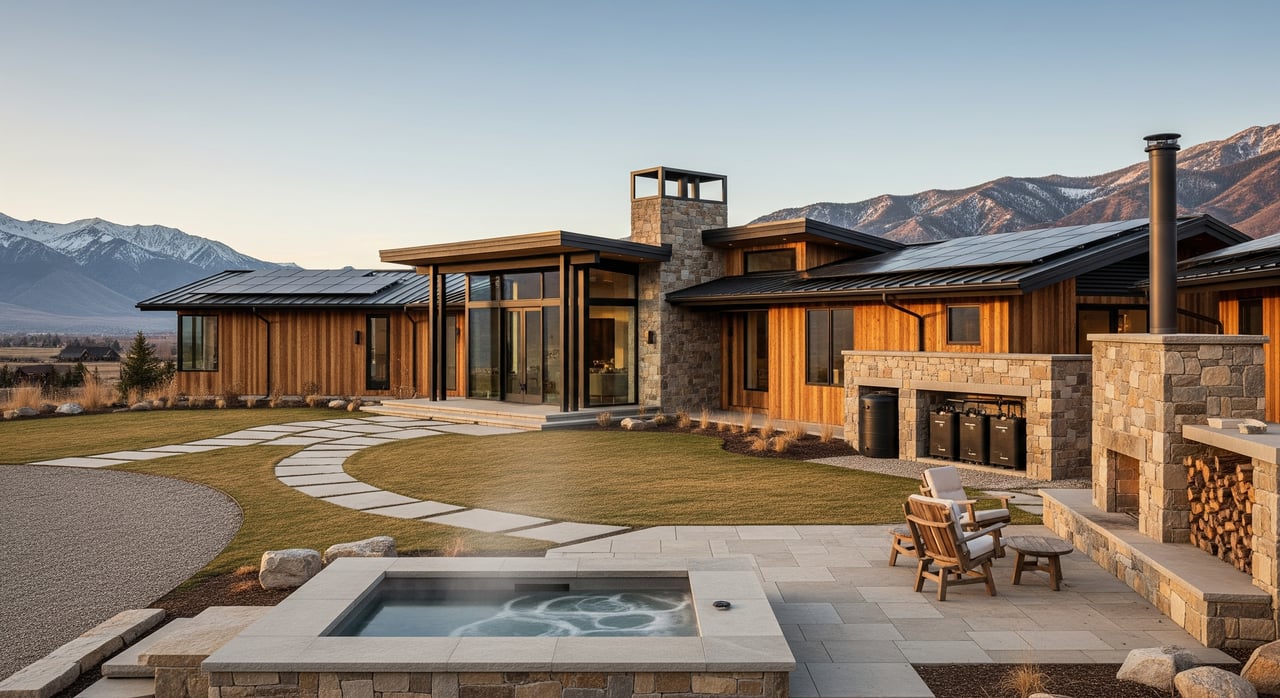
A typical setup pairs rooftop or ground-mounted solar with lithium battery storage and a propane or diesel generator for extended cloudy periods. Batteries handle daily cycling and overnight use; the generator protects you during long storms and in deep winter.
- Size your system to your actual loads. Heating, well pumps, refrigeration, cooking, laundry, and EV charging add up.
- Plan winter-first. Short daylight hours and snow cover reduce solar production. Batteries should be sized for multiple days of autonomy.
- Choose user-friendly controls. Systems with simple apps and remote monitoring make daily life easier.
For foundational guidance on residential solar, storage, and efficiency, explore consumer resources from the U.S. Department of Energy.
Grid-interactive resilience
Many buyers prefer a grid-tied system that can island during outages. This approach offers the best of both worlds: daily reliability and potential utility interconnection when available. If you plan to interconnect or export power, review policies with Rocky Mountain Power and confirm local permitting.
Permits and inspections
If your system ties to the grid or involves major electrical work, expect permits and inspections. Start with the Weber County Building Division for local permit requirements and inspections, and coordinate interconnection steps with Rocky Mountain Power. Permit records and manuals are must-have documents for buyers and sellers.
Water: wells, cisterns, and rights
Comfortable off-grid living requires safe, reliable water for cooking, bathing, laundry, and potentially irrigation. In this area, you’ll typically see drilled wells or cisterns supplied by hauled water.
Verify rights and permits
Water in Utah is regulated. If a property relies on a private well, confirm the well permit, well log, and any related water rights with the Utah Division of Water Rights. Uses can be limited (domestic vs. irrigation), and capacity varies by site. Always review documentation before you commit.
Treatment and redundancy
Buyers expect clean, safe water. A typical treatment train includes sediment filtration, carbon filtration, and UV disinfection. Water softening is common in hard-water areas. If a cistern is part of the plan, document delivery schedules and storage capacity. Keep a backup plan with bottled or hauled water for peace of mind.
For additional homeowner-friendly guidance on wells and small-scale water issues, see resources from Utah State University Extension.
Septic basics
If the property isn’t connected to municipal sewer, you’ll need a well-designed septic system sized for occupancy and everyday use. Approvals, installations, and inspections are managed locally by the Weber-Morgan Health Department. Before you close, request a full septic inspection and maintenance records. For consumer-friendly septic basics, the EPA provides helpful guidance.
Heating and year-round comfort
Winter comfort starts with an efficient building envelope. High R-value insulation, quality windows, and airtight construction reduce the size and cost of your power system.
Tight envelope, lower loads
A better envelope means your heating system works less. Look for double- or triple-pane windows, high-quality air sealing, and insulated doors. Passive solar design—south-facing glass with proper shading—can cut heating needs.
Hybrid heat for cold snaps
Cold-climate heat pumps perform well across most of the heating season. In very low temps, a backup source helps. Many buyers prefer a hybrid plan: a high-efficiency heat pump for most days, plus a propane system or certified wood stove for cold snaps and outage resilience. If you use wood heat, plan for chimney clearances, wood storage, and code-compliant installation.
Ventilation and air quality
Tight homes need fresh air. Heat recovery ventilators (HRVs) or energy recovery ventilators (ERVs) maintain indoor air quality while preserving comfort. This matters even more at higher elevations and during winter.
For homeowner-focused overviews on heat pumps, insulation, and efficiency, review resources from the U.S. Department of Energy.
Internet and communications
Today’s off-grid buyer still expects to work, stream, and monitor systems reliably. Service quality varies with terrain, so verify at the address.
- Start with the FCC’s broadband map to see available providers.
- Where wired options are limited, consider fixed wireless or satellite. Many rural buyers choose Starlink for higher speeds and lower latency than older satellite services.
- Plan for cellular boosters if voice/data signals are marginal indoors.
- For system monitoring, consider network backups (LTE failover) to keep your apps online during outages.
Access, roads, and winter readiness
Even the best systems can’t help if you can’t reach your home. In snow season, road maintenance is essential.
- Confirm who clears the road and driveway, what equipment is used, and how costs are shared.
- Document driveway grade, surface, and drainage to reduce ice buildup.
- Note distance and typical drive times to emergency services. Simple, factual details matter to buyers.
Smart storage and workspace
Off-grid living often means storing fuel, tools, and seasonal gear. Many buyers prioritize:
- A secure, ventilated space for a generator and fuel (typically propane).
- Dedicated wood storage if a stove is used.
- A garage or shed for snow removal equipment and routine maintenance tools.
- Organized utility rooms with labeled shutoffs, filters, and system controls.
Buyer checklist: what to verify
Bring clarity to your search with documentation and recent tests. Ask for:
- Water: Recent water quality test, well yield test (gpm), well permit, and well log.
- Septic: Inspection report, system age, pump-out records, any repairs or upgrades.
- Power: Solar and battery documentation, as-built drawings, inverter model and warranty, battery specs, and app access details.
- Generator: Type, fuel storage capacity, service records, and run-time estimates.
- Heating: Heat pump model/specs, backup system details, and any wood stove certifications.
- Connectivity: Internet provider options and verified speeds; notes on cell reception and boosters.
- Access: Driveway grade/surface, snow-removal plan, and any road maintenance agreements.
- Rules: Any HOA or recorded covenants affecting utilities, solar, generators, water use, or exterior equipment.
Seller prep that builds confidence
Make it easy for buyers to say yes. Gather and share:
- Full documentation: Permits, manuals, warranties, maintenance logs for power, water, and septic systems.
- Water and septic records: Recent water test, well details, septic inspection, and pump records.
- Utility transparency: If grid-tied, include interconnection approvals from Rocky Mountain Power and county permits from the Weber County Building Division.
- Access details: Snow removal arrangements, driveway info, and any easements or road agreements.
Putting it all together
Off-grid comfort in Stagecoach Estates is less about roughing it and more about smart planning. A right-sized power system, verified water and septic, a high-performing envelope, and reliable connectivity create daily ease through every season. The payoff is a home that feels just like your in-town residence—only more independent, resilient, and ready for winter.
If you want a tailored plan for your search or sale, connect with a local advisor who understands mountain properties, winter realities, and the documentation luxury buyers expect. For concierge guidance and discreet representation, schedule a conversation with Jake Doilney.
FAQs
Can I live 100 percent off-grid in the Ogden/84401 area?
- Yes, but winter heating loads, water availability, and permitting make fully off-grid systems more complex and costly; many buyers choose hybrid, grid-interactive setups for reliability and value.
How do I verify a private well and water rights in Utah?
- Request the well permit, well log, water quality test, and any associated rights, and confirm details with the Utah Division of Water Rights.
Do I need a septic inspection before buying an off-grid home?
- Yes; obtain a septic inspection and maintenance records, and review local requirements with the Weber-Morgan Health Department.
What should my solar and battery system include for year-round comfort?
- Aim for solar sized to your loads, lithium batteries for daily cycling with multi-day autonomy, and a propane or diesel generator for extended storms, plus documentation and permits.
Is reliable internet possible for remote work near Stagecoach Estates?
- Often yes; verify options with the FCC broadband map and consider fixed wireless or Starlink where wired service is limited.
Do I need permits to interconnect solar with the grid?
- Typically yes; coordinate with Rocky Mountain Power for interconnection and the Weber County Building Division for electrical and building permits.