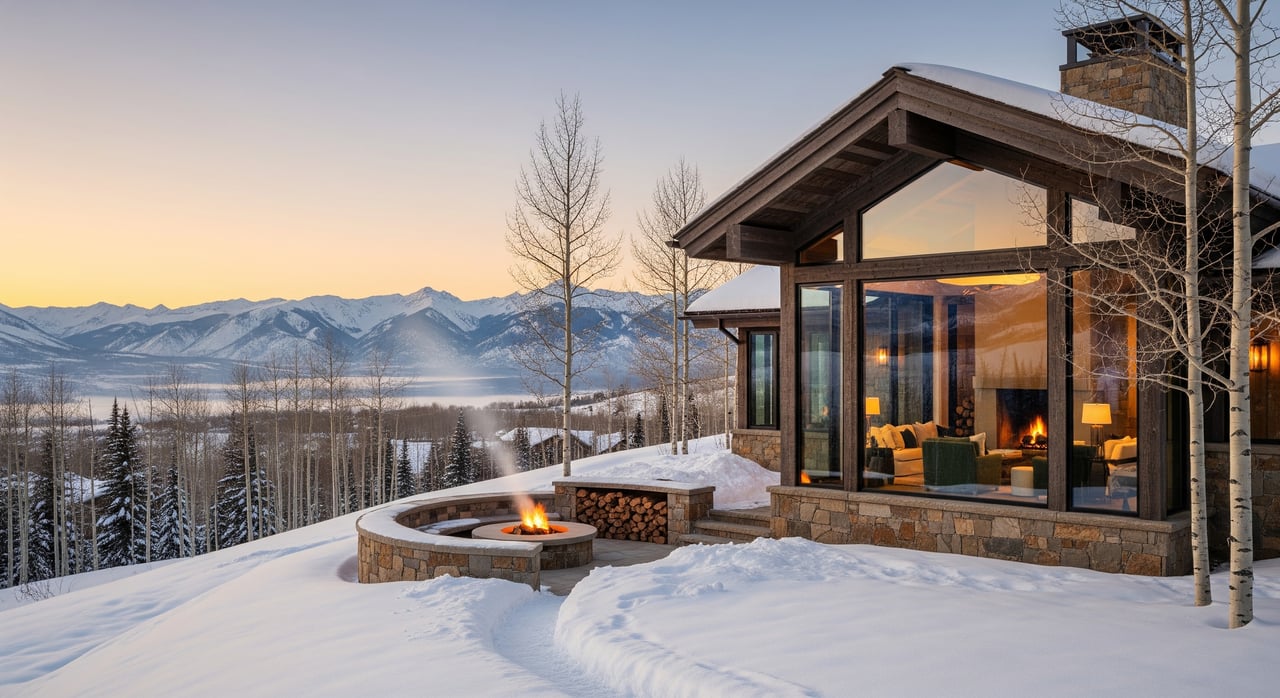
What if the snow that draws you to Snyderville also changes how you should buy or sell here? In the Basin, winter is more than a season. It sets the pace for pricing, inventory, and the features luxury buyers expect. If you want to maximize value or returns, understanding winter patterns is essential.
In this guide, you’ll see how ski season shapes demand, what it means for pricing and days on market, which winter-ready features matter most, and how to plan your timing whether you are selling, buying, or investing. Let’s dive in.
Why winter matters in Snyderville
Snyderville Basin sits minutes from Deer Valley and Park City Mountain. When ski season runs from late November through April, visitor traffic and second-home interest surge. That wave drives luxury demand for homes with convenient resort access, mountain views, and strong winter amenities.
The buyer mix also shifts. In winter you see more second-home seekers, remote professionals, and short-term rental investors. Full-time local buyers remain active year-round, but the winter crowd brings a peak-season mindset and a focus on ski access and winter comfort.
Seasonal demand and pricing dynamics
During peak ski months, urgency rises for well-positioned properties, especially those close to lifts or shuttle routes. Sellers of rare offerings can often negotiate fewer concessions because inventory is tight and competition is strong. Ski-in or near-resort homes are held closely, and many owners prioritize personal use or peak rental income.
If you are searching for value, you may find better negotiating room outside peak months. Showing logistics and inspections are also easier in spring and summer, which can help deals progress smoothly. That said, prime winter listings often move fast when demand crests.
Short-term rentals: winter drives revenue and expectations
For many luxury buyers, winter short-term rental performance is the financial anchor. Occupancy and average daily rates typically peak in ski season, which can help offset carrying costs. With that, guest expectations also rise. They look for reliable snow removal, radiant heat, heated floors, gear storage, and easy transportation to the slopes.
If you are underwriting a purchase, treat winter performance as a separate line item. Calibrate your assumptions for peak occupancy and rates in winter and more moderate performance the rest of the year. Seasonality is the story in Snyderville.
Timing strategy: list or buy around ski season?
There is no single best month for every situation, but your goals can guide the choice.
If you are selling
- List pre-ski or early season to capture in-person traffic and high intent from second-home and investor buyers.
- Stage for winter living. Highlight radiant heat, heated driveways, and a functional mudroom or boot room.
- If your target buyer is a full-time primary resident, a spring or early summer launch can broaden the pool and ease showings.
If you are buying
- Shop during ski season if you want first pick of rare listings that surface for winter. Be ready to act quickly.
- Consider late spring for potential price flexibility and easier inspections.
- If rental income matters, close before winter to capture peak-season cash flow.
Winter-ready features luxury buyers value
In Snyderville, these features influence comfort, marketability, and resale:
- Heated driveways and walkways to manage snow and ice
- Snow storage capacity and smart driveway design for plow access
- Radiant floor heat, dual-zone or multi-zone HVAC, and whole-house humidification
- High snow-load roof ratings, proper insulation, heat cables, and snow guards
- Durable siding and roofing suitable for freeze-thaw cycles
- Mudroom or boot room with gear storage and drainage-friendly finishes
- Generous garage clearance, sealed doors, and room for winter gear
- Backup generator and surge protection
- Reliable access to a plowed public road and documented maintenance for private roads
- HOA or village services that include snow removal and exterior upkeep
Inspections and due diligence in winter
Winter conditions can mask issues. Go deeper on systems, structure, and access.
For single-family homes
- Roof: verify snow-load rating, look for signs of ice dams, and check heat cable condition.
- Attic and envelope: confirm insulation and ventilation are sufficient to prevent ice damming.
- Mechanical systems: confirm boiler service history, sizing for sustained low temps, and humidification.
- Plumbing: inspect freeze protection on exposed lines and hose bibs.
- Driveways and exterior: review de-icing systems, drainage patterns, and garage door seals.
For condos and townhomes
- Clarify responsibility for building envelope, heating plants, and snow removal.
- Confirm that shared drives, entries, and walkways are plowed reliably and on schedule.
Site risks and access
- For properties near steep slopes or creek corridors, review county hazard information and any site-specific engineering reports.
- Confirm road maintenance obligations and turnaround space for winter vehicles and services.
Carrying costs to plan for
Mountain ownership concentrates costs in winter. Build a realistic annual budget.
- Snow removal: private contractors or HOA services for drives, walks, and roofs
- Utilities: natural gas or electric for radiant heat, supplemental heat, and humidification
- Maintenance: HVAC servicing, boiler upkeep, and roof and driveway wear from freeze-thaw
- Insurance: premiums can be higher for mountain properties, and policies may differ if the home is vacant at times or used as a short-term rental
- HOA dues: many communities include snow removal and exterior maintenance; higher dues can reflect enhanced winter services
- Property management: for second-home or STR use, factor management, cleaning, and guest services
Lending, appraisals, and insurance: winter nuances
Lenders often price and underwrite second homes and investment properties differently than primary residences. Expect higher down payments, rate adjustments, and stricter debt-to-income standards. If you are using projected short-term rental income, be prepared to document seasonal demand.
Appraisals in resort markets rely on recent comparable sales. In low-inventory winter months, comps can be sparse, which affects valuation swings. Start early and work with local professionals who understand seasonality.
Insurance can vary for mountain homes, especially with vacancy periods and guest liability. If you plan to host short-term guests, ask about specific STR endorsements and coverage limits that account for winter conditions.
Regulations and taxes that affect rental returns
Short-term rental rules differ between Park City and unincorporated Summit County, which includes much of the Snyderville Basin. Licensing, occupancy, and tax requirements can vary by neighborhood. Confirm current rules before you buy or convert a property to STR use.
Hosts are typically responsible for transient lodging taxes and registration. These obligations affect net returns and should be part of your underwriting.
Rules shift over time. A clear compliance plan helps protect income and resale value.
Risk factors and long-term trends
Winter in the Wasatch brings beauty and risk. Climate variability can change snowpack and shift the length and reliability of the ski season over time. Many luxury buyers hedge by choosing properties with all-season amenities such as trail access, wellness features, and flexible indoor-outdoor spaces.
Natural hazards deserve attention. While most Basin neighborhoods are not in active avalanche paths, parcels near steep slopes should be evaluated with county hazard information. Winter storms can also affect roads, trees, and drainage, especially during rapid melts.
Travel and access matter in winter
Access is part of the value equation. Proximity to SR-224 and I-80 helps with winter reliability and travel time to Salt Lake City International Airport. Buyers who plan to host guests or visit often in ski season place a premium on easy, well-plowed routes and dependable private road maintenance.
Buyer playbook for ski season
- Get pre-approved with a lender that understands second homes and STR underwriting.
- Define must-have winter features and make a fast, clean offer when the right property appears.
- Underwrite with realistic peak winter revenue and off-peak assumptions if you plan to rent.
- Schedule specialized inspections for heating, roofing, and envelope performance.
- Confirm road maintenance, HOA scope, and any rental rules before you finalize.
Seller playbook for ski season
- Launch with winter lifestyle front and center: clear drives, warm interiors, and professional photography that shows snow-season living.
- Price for scarcity if your property offers true ski convenience or premium winter amenities.
- Provide a maintenance and upgrade dossier: heating service records, roof and insulation details, and snow removal contracts.
- If you operate an STR, share recent winter occupancy and average daily rates to help buyers model returns.
- If your home suits full-time occupancy, consider a spring window for broader reach and easier showings.
Work with a principal-led local advisor
In Snyderville’s luxury market, winter is leverage if you know how to use it. Whether you want to capture peak-season visibility, buy with confidence during ski months, or structure an STR for reliable returns, a local, principal-led approach helps you move with clarity.
Ready to map a strategy for this winter or the next? Connect with Jake Doilney to walk through timing, pricing, features, and a plan tailored to your goals.
FAQs
Is winter the best time to sell a luxury home in Snyderville?
- If your property offers strong ski access and winter amenities, listing before or during ski season can capture peak buyer intent; spring can be better for broader primary-residence demand and easier showings.
How does winter affect Snyderville short-term rental income?
- Occupancy and rates typically peak in ski months, which can boost gross income, but guest expectations for winter readiness also rise, so plan for higher service and maintenance standards.
What winter features add the most value in Snyderville?
- Heated drives and walkways, radiant heat, robust roof snow management, reliable road access, and a true mudroom or boot room consistently stand out to luxury buyers.
Do lending and appraisals change for winter purchases?
- Lenders often tighten terms for second homes and investment properties, and appraisals can be influenced by limited winter comps, so start early with local pros.
What should I budget for winter carrying costs?
- Plan for snow removal, higher seasonal utilities, HVAC and boiler servicing, insurance tailored to mountain and STR use, HOA dues where applicable, and property management if you are remote.
Are there rental rules I should know before buying in Snyderville?
- Short-term rental licensing and occupancy rules vary between Park City and unincorporated Summit County; verify current requirements to protect projected returns and resale value.