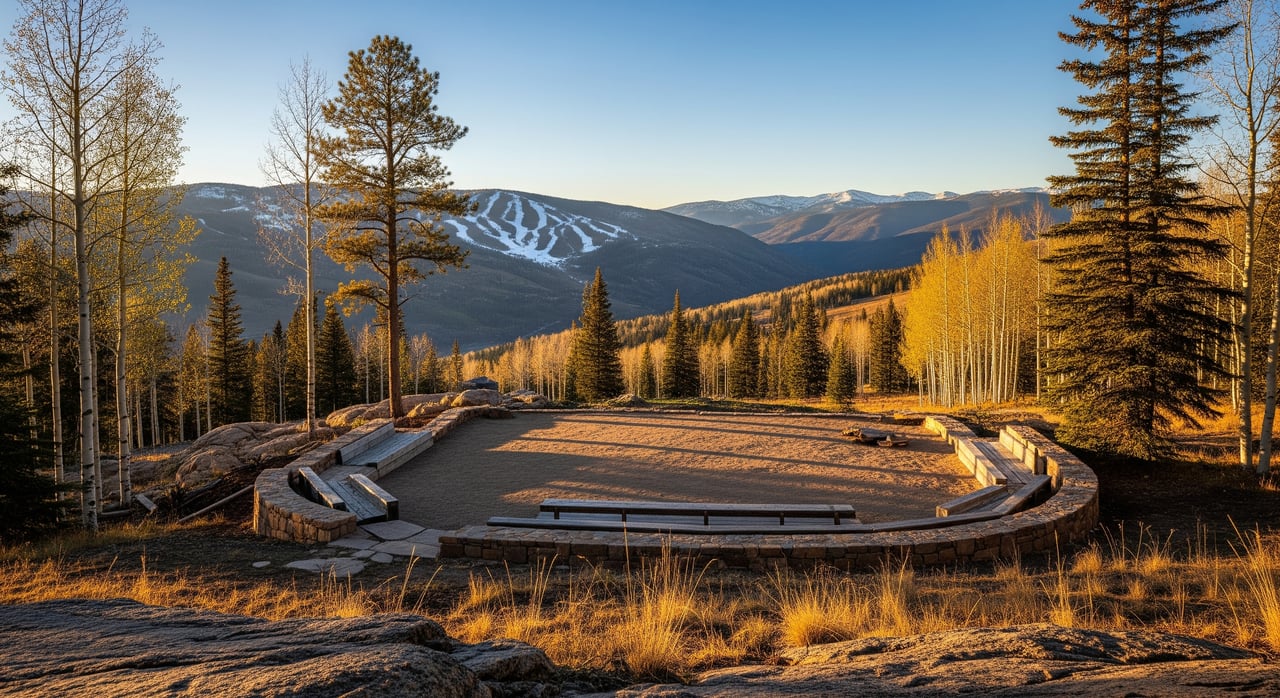
Eyeing a lot in The Colony but unsure what hides under the trees and snow? Choosing the right homesite in 84060 is as much about slope, soils, and access as it is about views and privacy. You want a site that supports your vision, fits your budget and timeline, and avoids costly surprises. This guide walks you through what to evaluate, who to contact, and the steps that reduce risk before you commit. Let’s dive in.
What defines the right homesite
In The Colony, the best lots balance three things: buildability, lifestyle, and long-term value. Buildability comes from topography, soils, utilities, and access. Lifestyle is about views, solar exposure, privacy, and proximity to trails and ski access. Long-term value depends on how well those attributes align with community expectations and future buyers.
Your goal is to confirm the building envelope, assess site work and utility costs, and understand HOA and county rules that guide design. With that clarity, you can align the lot with your architect’s concept and your budget.
Topography and buildability
Lot slope, usable building pad, and driveway alignment drive both design and cost. Steeper sites often require cut and fill, retaining walls, engineered foundations, and careful drainage planning. Driveway grade and length also affect emergency access and winter maintenance.
What to do:
- Order a boundary and topographic survey that clearly shows the building envelope and any steep-slope areas.
- Commission a geotechnical report with soil borings, frost depth, bearing capacity, and drainage recommendations.
- Walk the intended driveway alignment to evaluate grade, switchbacks, and snow storage room.
A site with a natural bench or moderate slope can simplify design and reduce excavation, foundation, and stormwater costs.
Views, trees, and solar orientation
Views and sunlight are primary value drivers in mountain homes. Southern exposure supports winter solar gain and daytime brightness, while mature trees provide privacy and character. In some cases, tree removal is regulated and view corridors can be defined in plats or CC&Rs.
What to do:
- Confirm any recorded view corridors and the community’s stance on view protection.
- Review HOA and county rules regarding tree removal, mitigation, and replanting.
- Study winter sun angles to optimize glazing, outdoor spaces, and passive solar potential without sacrificing privacy.
If views are critical, favor lots with established view corridors rather than leaning on significant tree removal.
Utilities, water, and wastewater
Utility availability can add or subtract large sums from your budget. The key questions are sewer versus septic, water source and rights, and the proximity of electric and communications service.
What to do:
- Verify if municipal sewer and water are available. If not, confirm septic feasibility with a percolation test and discuss well and water-rights requirements with the appropriate authorities.
- Identify the location of electric service and any transformer or line extension needs.
- Check broadband and cell coverage to support work-from-home, safety systems, and smart-home features.
Lots that require long utility extensions or off-grid solutions can be viable but typically raise upfront costs and timelines.
Access and winter maintenance
Mountain access is about more than a beautiful drive. Roads can be public or private, snow removal can be owner or HOA responsibility, and some seasons limit heavy construction activity.
What to do:
- Determine whether roads are public or private and who manages plowing and maintenance.
- Confirm your driveway grade meets emergency access standards and works for deliveries in winter.
- Plan for seasonal logistics. Spring thaw can affect heavy equipment access, and deep winter can slow earthwork.
A direct, reasonably graded driveway often improves both daily livability and marketability.
Hazards and regulatory overlays
Critical-area overlays and hazard zones protect safety and the environment. In Summit County, rules can limit development on steep slopes, near streams, or in wildfire-prone areas. Floodplain status, soil stability, and potential for landslide or rockfall should be reviewed.
What to do:
- Review Summit County land-use regulations and any critical-area maps tied to your parcel.
- Check FEMA flood maps for any floodplain designation and required mitigation.
- Consult Utah Geological Survey resources for slope, landslide, and seismic guidance.
If hazards are present, your engineer and builder can design mitigation, but you should factor added cost, time, and review into your plan.
HOA and design review
The Colony’s HOA and Architectural Review Committee set standards for site placement, exterior materials, rooflines, lighting, landscaping, and sometimes tree work. Understanding the process and timeline helps you schedule design, permitting, and construction with fewer surprises.
What to do:
- Read the CC&Rs and architectural guidelines for setbacks, height limits, exterior materials, fencing, and lighting.
- Ask about required submission materials, review stages, and current timelines.
- Confirm fees, impact deposits, and any landscape escrow requirements.
A design team familiar with the guidelines can save weeks and help you secure approvals the first time.
Easements and title encumbrances
Easements influence where you can build and how you use the site. Utility, drainage, road, conservation, and view easements are common and should be mapped early.
What to do:
- Order a preliminary title report and review all recorded easements and restrictions with your title officer.
- Confirm that the building envelope and desired driveway, utilities, and outdoor spaces do not conflict with easements.
- If questions arise, consult a land-use or real-estate attorney for clarity.
Catching conflicts before design can prevent costly redesigns or limited use of outdoor areas.
Environmental and wildlife considerations
Mountain parcels may border wetlands, riparian zones, or wildlife corridors. These features can enhance privacy and natural beauty, but they may come with protection rules.
What to do:
- Check wetland mapping and any restrictions on disturbance or buffer areas.
- Ask about local requirements for wildlife-safe practices, including fencing guidance and bear-proof storage.
- Incorporate defensible space and firewise landscaping into your layout.
A site plan that respects sensitive areas often moves through review more smoothly and supports long-term stewardship.
Cost, construction, and timeline
Site conditions drive construction scope and cost. Key cost drivers include grading and retaining, driveway complexity, utility extensions, and stormwater management. Complex sites may increase architectural and engineering fees and lengthen permitting.
Timing matters. Expect multi-agency reviews among the county, HOA, and utilities. Heavy earthwork is usually limited during deep winter and spring thaw, so front-load surveys, soils work, and design to hit the optimal construction window.
Resale and marketability
For long-term value, most buyers in The Colony prioritize clear panoramic views, good solar exposure, reasonable driveway access, privacy buffers, and straightforward utility connections. Homes that align with community standards and reduce operating and maintenance friction tend to attract a broader buyer pool.
Step-by-step due diligence
Use this two-phase checklist to evaluate a lot with confidence.
Pre-offer checklist
- Request the parcel plat and a preliminary title report.
- Ask the seller for any prior geotechnical studies, surveys, or tree inventories.
- Confirm general utility availability with local providers.
- Review HOA CC&Rs and architectural guidelines.
- Visit the lot at different times of day and in different seasons to assess sun, views, noise, and access.
Post-offer and contingency period
- Order a boundary and topographic survey that shows the building envelope and all easements.
- Commission a geotechnical investigation with borings and a soils report.
- If sewer is not available, schedule a perc test and septic feasibility review.
- Get written estimates for utility hookups and any necessary extensions.
- Obtain an arborist report if tree protection, removal, or replanting is expected.
- Review a full title report for encumbrances and confirm any view or conservation restrictions.
- Meet on site with your preferred builder to price grading, driveway, and foundation work.
- Confirm HOA submission requirements and timeline with the architectural committee.
Your team of local pros
The right team reduces risk, protects your timeline, and supports smarter design.
- Local real estate agent experienced with The Colony and Summit County nuance
- Licensed surveyor for boundary and topo work
- Geotechnical engineer for soils and foundation guidance
- Civil or site engineer for grading, drainage, and driveway design
- Architect with mountain design experience and HOA familiarity
- Builder with mountain-lot expertise
- Arborist for tree protection and mitigation planning
- Title company and, if needed, a land-use or real-estate attorney
- Utility provider contacts for service availability and cost estimates
Smart design moves that save money
A few strategic choices can trim cost and risk without sacrificing your vision.
- Favor moderate slopes with a natural bench or existing pad to limit cut and fill.
- Place the home to minimize exposed foundation and reduce retaining wall needs.
- Shape a driveway with manageable grade and minimal switchbacks for better winter access.
- Align major glazing with southern exposure while preserving privacy and views.
- Site the home close to existing utility stubs to shorten trenching and extension runs.
Common pitfalls to avoid
Learn from the most frequent oversights buyers can make on mountain parcels.
- Overlooking recorded easements that limit the buildable area or affect views
- Underestimating poor soils that require specialized foundation systems
- Missing long utility extension costs during early budgeting
- Assuming public snow removal on private roads or driveways
- Not accounting for HOA review timelines that push work into tougher seasons
Who to contact for verification
Before you finalize plans, verify requirements and constraints with the appropriate authorities.
- Summit County Planning and Zoning for setbacks, allowed uses, and critical-area overlays
- Summit County Building Department for permits, inspections, and energy code compliance
- Summit County Health Department for septic, well, and wastewater guidance
- Summit County Recorder and Assessor for plats, easements, CC&Rs, and tax records
- The Colony HOA and Architectural Review Committee for design standards and fees
- FEMA Flood Map Service for floodplain determinations
- Utah Division of Water Rights for water-rights research if a private source is involved
- Utah Geological Survey for geologic-hazard mapping and guidance
- Local electric, water, sewer, and broadband providers for service and cost estimates
Make your next step with confidence
If you want a homesite that pairs stunning views with sensible buildability, a clear plan makes all the difference. From surveys and soils to HOA approvals and cost modeling, a local, principal-led process helps you choose wisely and avoid delays.
Ready to evaluate a specific lot in The Colony or compare options across 84060? Schedule a conversation with Jake Doilney to map your due diligence, assemble the right team, and move forward with clarity.
FAQs
What should I evaluate first when choosing a lot in The Colony?
- Start with topography, soils, and the building envelope, then confirm utilities, access, and HOA rules before estimating site work and timelines.
How do slope and soils affect my construction budget?
- Steeper slopes and poor soils increase grading, retaining, foundation, and drainage costs, which can also extend permitting and design timelines.
Do most lots in 84060 have sewer and water, or will I need septic and a well?
- Availability varies by parcel, so verify with local providers; if sewer and water are not available, plan for septic feasibility and water-rights review.
Why is southern exposure important for a mountain home in Summit County?
- Southern exposure improves winter solar gain and daylighting, which supports comfort and energy performance when balanced with privacy and views.
What HOA design rules should I expect in The Colony?
- Expect standards for setbacks, height, exterior materials, landscaping, lighting, and sometimes tree work, plus a defined submittal and review process.
How can I confirm whether easements limit my building options on a specific parcel?
- Order a preliminary title report and a topo survey that maps recorded easements, then review with your title officer and design team.
Who handles snow removal on private roads and long driveways in The Colony?
- Responsibility depends on whether the road is public or private and on HOA protocols, so verify maintenance and plowing obligations for your lot.
What professionals should I hire during the contingency period for a The Colony lot?
- Engage a surveyor, geotechnical and civil engineers, an architect, a builder, and consult the HOA, title company, and relevant county departments.