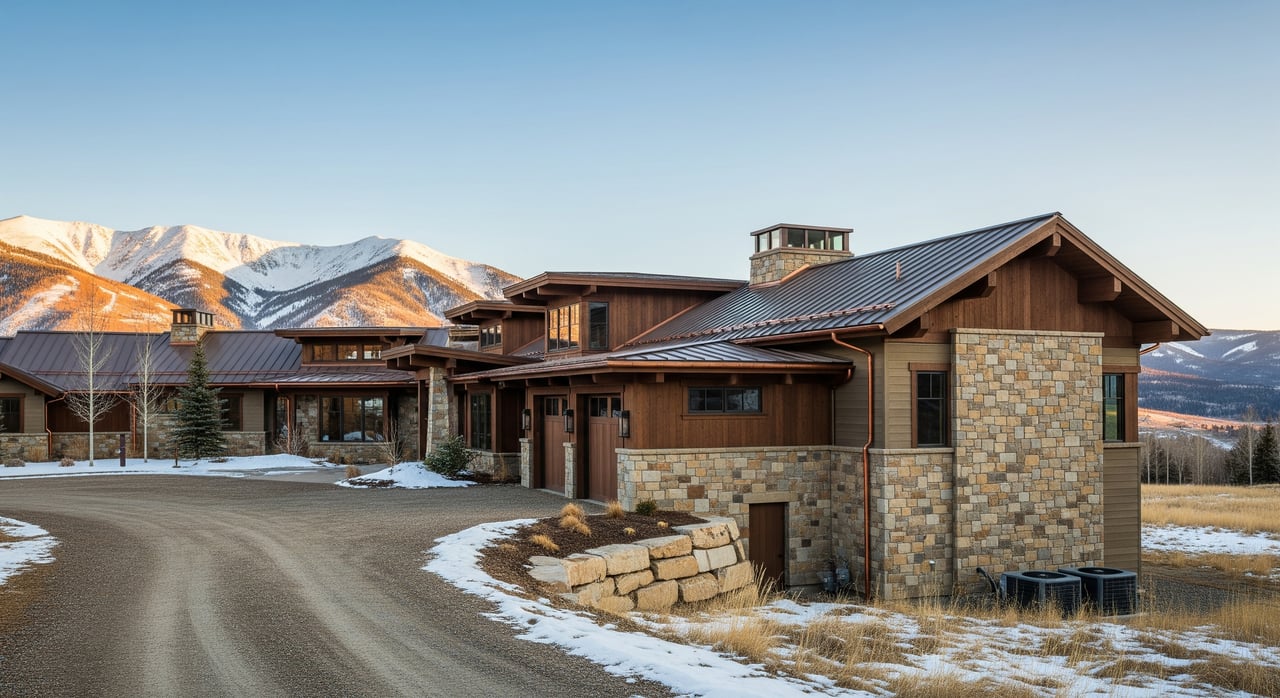
Thinking about building at Goshawk Ranch in 84098? Mountain parcels can look simple on paper, yet water, septic, envelopes, and road access often decide the real cost and timeline. With the right due diligence, you can design the home you want and avoid costly surprises. This guide walks you through utilities, building envelopes, access, permits, and the exact documents to gather so you can move forward with confidence. Let’s dive in.
Goshawk Ranch utilities: what to verify
Utilities set the baseline for your design, budget, and timeline. In Summit County mountain settings, service can vary by lot even within the same subdivision. Confirm each item directly with the county, providers, and the seller or HOA before you commit.
Water service or private well
Lots may be served by a public or community system, or they may require a private well. If you expect public or community water, request a written service letter that confirms capacity, tap availability, and fees. If a private well is likely, review nearby well logs, expected depth and yield, and plan for a pump test and siting relative to setbacks.
- For well permitting and water rights, consult the Utah Division of Water Rights for process and records at the state engineer’s site.
- If water is provided by a district or company, ask for ownership details, transfer terms, and annual fees in writing.
Wastewater: sewer or septic
Public sewer is not guaranteed in mountain subdivisions. Many Goshawk Ranch area lots use on-site wastewater systems designed to the soils on your parcel. Shallow bedrock, steep slopes, or seasonal water can mean engineered or mound systems.
- Before you finalize plans, obtain a septic feasibility or soils evaluation from a qualified professional and coordinate with the Summit County Health Department. Start with the Summit County site to reach the Health Department’s onsite wastewater team.
- If a community or cluster system serves the area, review maintenance responsibilities, ownership, and reserve funding.
Electric power
Rocky Mountain Power serves much of Summit County. Service can be overhead or underground depending on subdivision improvements and terrain. Confirm transformer placement, trenching routes, and easements inside or near your building envelope.
- For new service requests and line extension timelines, visit Rocky Mountain Power.
- Expect several weeks to months for design and energizing, especially if rock boring or winter conditions apply.
Natural gas or propane
Dominion Energy Utah’s natural gas lines do not reach every mountain lot. If natural gas is not available, most owners use propane. Verify main locations, meter siting, and required easements before designing mechanical systems.
- Check availability directly with Dominion Energy and document costs and timelines.
Internet and cellular
Cable or fiber can be limited at elevation. Fixed wireless or satellite can fill the gap, but verify speeds, latency, and equipment locations. Ask your HOA or neighbors about current providers and performance during winter storms.
Backup power and solar
Many mountain homes plan for standby generators or batteries due to storm-related outages. Confirm HOA rules on visible equipment and screening. If you plan solar, check placement within the building envelope and any design guidelines.
Utility costs and timing
In steep terrain, trenching and rock excavation can drive costs. Construction windows are shorter due to frost and snow. Request written quotes and timelines from each provider, and ask the seller or HOA for any “as-built” utility maps.
Building envelopes and site rules
Your building envelope defines where you can place the home, garage, driveway, and improvements. In mountain subdivisions, envelopes protect views, slopes, and sensitive areas. Start with recorded documents and then validate on the ground.
What envelopes mean for you
A building envelope is the area on your lot where structures may be built. It incorporates setbacks, easements, height limits, and buffers that keep development away from steep slopes or wetlands. Many design decisions flow from this area, including driveway approach, garage location, and roof heights.
Documents to collect and study
Gather a complete packet before you design.
- Recorded plat showing the building envelope, easements, and setbacks
- CC&Rs and Architectural Guidelines outlining design controls and approval steps
- Any utility availability letters and recorded extension or improvement agreements
- Road maintenance agreement for private roads, if applicable
- Current topographic and boundary survey for precise siting
- Geotechnical report and preliminary drainage plan
Use the Summit County site to access the Recorder and GIS resources for plats, easements, and covenants.
Slopes, soils, height, and drainage
Slope limits and height caps can push designs toward stepped foundations or split levels. Bedrock, expansive soils, and frost depth affect foundation type and retaining walls. Plan for stormwater management that matches county thresholds for grading and erosion control.
- Commission a geotechnical report early. It is often required and can prevent costly redesigns.
- Confirm any conservation or drainage easements and keep improvements out of restricted areas.
Practical placement tips
Start your site plan with driveway geometry, fire access, and snow storage. Confirm room for a turnaround without exceeding slope limits. If you are considering a variance or envelope change, talk with the HOA and the county early about process and feasibility.
Access and roads in 84098
Access affects daily livability and winter reliability. Clarify who maintains roads, how snow removal works, and what you need for driveway permits.
Road status and snow removal
Identify whether your approach road is public or private. If private, request the recorded maintenance agreement for snow removal and repair assessments. Private bridges or steep sections may carry weight limits that affect deliveries and heavy equipment.
Driveway permits and grades
Driveway connections to county roads usually require a permit that covers sight lines, culverts, and apron construction. On steeper lots, switchbacks and heated sections may be needed for safe winter access. Design early for plow turnarounds and snow storage.
Construction logistics and winter
Snow and frozen ground can restrict excavation and utility trenching. Plan staging areas for cranes and trucks, plus erosion control. If you need temporary access across a neighbor’s parcel, obtain a written easement before mobilization.
Fire and emergency access
Local fire standards set minimum widths, clearances, and turnarounds. Many mountain sites also require defensible space and may require a dedicated water supply for firefighting. Confirm these requirements before finalizing site plans.
Permits, approvals, and timeline
Summit County approvals and HOA design review usually move in parallel. Build a realistic schedule that accounts for seasonal fieldwork and utility lead times.
Typical permits and approvals
- County building permit
- Grading or earthwork permit for cuts and fills above thresholds
- Driveway or access permit on county or state roads
- On-site wastewater system permit or proof of sewer connection
- Well permit if drilling, via the State Engineer
- Electrical, mechanical, and plumbing permits
- HOA architectural approval prior to county submittal
For department contacts and process overviews, start with the Summit County website.
Timeline tips for mountain builds
HOA review often requires a full site plan, material board, and grading details. Utility extensions can be the critical path, especially if trenching through rock or waiting on transformers. Soils testing, perc tests, and well drilling may be seasonal. Expect several months for design and permitting, with major site work best scheduled for late spring through early fall.
Buyer due diligence checklist
Use this list to structure your pre-contract or contingency period.
- Recorded plat with building envelope and all easements
- CC&Rs and Architectural Guidelines with ARC submittal steps
- Utility availability letters for water, sewer, electric, gas, and internet
- Topographic and boundary survey showing envelope and constraints
- Geotechnical and preliminary drainage reports
- Septic feasibility or soils data if sewer is not available
- Well logs and water rights path if public water is not available
- Recorded road maintenance agreement and driveway permit requirements
- Written cost estimates for utility extensions, driveway, retaining walls, and winter premiums
- Tentative construction schedule with seasonal limitations
Who to call first
Make these calls early to confirm feasibility, costs, and timelines.
- Summit County Building and Planning for codes, snow load, and submittals via the Summit County portal
- Summit County Health Department for on-site wastewater guidance through the county site
- Summit County Recorder and GIS for plats, easements, and road agreements via the county site
- Rocky Mountain Power for new electric service and extensions at Rocky Mountain Power
- Dominion Energy Utah for gas availability and new meters at Dominion Energy
- Utah Division of Water Rights for well permits and water rights at the state engineer’s site
If you want a streamlined start, a local broker can help you assemble these documents, coordinate introductions, and pressure-test budget ranges with experienced mountain builders.
Ready to evaluate a specific Goshawk Ranch lot or refine your plan? Connect with Jake Doilney for a focused consultation and a clear path from envelope to build.
FAQs
What utilities are typically available at Goshawk Ranch in 84098?
- Electric is generally available through Rocky Mountain Power, while natural gas may or may not be present. Water may be public or require a private well, and many lots rely on on-site septic.
How do I confirm if my Goshawk Ranch lot allows a septic system?
- Order a soils and percolation evaluation from a qualified professional and coordinate findings with the Summit County Health Department before design or purchase decisions.
What is a building envelope and why does it matter in Summit County?
- A building envelope shows where you can place structures within the lot, factoring in setbacks, easements, slopes, and height rules. It drives driveway layout, garage location, and overall home design.
Who maintains the roads and handles winter plowing near Goshawk Ranch?
- It depends on whether roads are public or private. For private roads, check the recorded maintenance agreement for who pays, who plows, and any weight limits.
How long does it take to get permits for a custom home in 84098?
- Plan for several months from design through approvals, with utility extensions, soils work, and HOA review often setting the pace. Seasonal conditions can affect field testing and excavation.