If you love golf, your home search probably goes far beyond square footage and finishes. You are also thinking about the quality of the course, the club experience, privacy, views, and whether the property will still make sense years from now. In Glenwild, those questions matter even more because inventory is limited and the community offers a very specific lifestyle. This guide will help you understand what sets Glenwild apart, what to ask before you buy, and how to think about homesites and long-term value. Let’s dive in.
Why Glenwild Stands Out
Glenwild is a private gated community in the Park City area built around a Tom Fazio championship golf course. According to the community overview, the neighborhood includes 196 homes and building sites across 1,660 acres, with more than half the land preserved as open space.
That limited scale shapes the buyer experience. You are not looking at a large master-planned community with endless turnover. Instead, you are considering a more tightly held enclave where lot placement, views, and access to club amenities can play a major role in how each property feels.
Another detail that often gets buyers’ attention is location. Glenwild is minutes from Park City and Deer Valley ski terrain, and the club notes that it is about 30 minutes from Salt Lake City International Airport. If you want golf access without giving up quick travel connections or year-round mountain recreation, that combination is a meaningful advantage.
Golf Membership Is Separate
One of the most important things to know up front is that owning a home or lot in Glenwild does not automatically include golf membership. Per the Glenwild Golf Club information, membership is separate from ownership and requires approval.
That matters because many buyers assume a golf community works like an all-in package. In Glenwild, you need to evaluate the real estate and the club opportunity as related but distinct decisions. If golf access is central to your purchase, this should be one of your first due diligence questions.
For approved golf members, the club includes unlimited tee times on the Tom Fazio-designed 18-hole championship course, plus practice facilities, range access, and a caddie program. Social membership includes dining, the heated pool, spa and fitness facilities, tennis, pickleball, and groomed cross-country trails.
The Club Experience Goes Beyond Golf
For many buyers, Glenwild is appealing not only because of the course, but because the lifestyle extends well beyond a summer tee sheet. The club describes a year-round mix of dining, wellness, recreation, and social programming that supports both seasonal and full-time living.
According to the club site, Glenwild is recognized by Golf Digest as the No. 1 course in Utah. The club also highlights a redesigned clubhouse with a modern mountain look, which adds to the overall feel of the community experience.
If you are comparing Glenwild with other luxury options in the Park City market, this broader amenity picture is worth weighing carefully. Some buyers want a pure golf setting, while others want a community that still feels active when the snow falls. Glenwild is designed to support both.
Not Every Home Is Golf-Front
A common misconception is that every Glenwild property sits directly on a fairway or green. That is not the case. Current listing examples in the market show a mix of golf-front homesites, green-front lots, larger view parcels, and settings with more privacy or adjacency to open space.
That range is important because the best property for you depends on how you want to live. Some buyers want to step out and feel fully immersed in the course. Others prefer broader ski or mountain views, a little more separation, or a quieter edge-of-community setting.
In practical terms, Glenwild offers more than one version of luxury golf living. You may find value in a homesite near the clubhouse, a parcel with open space on multiple sides, or a location where golf is part of the backdrop rather than the entire foreground.
How to Evaluate Glenwild Homesites
In a community with only 196 homes and homesites, your decision should go deeper than price per acre. The more useful questions often relate to how a property sits within the community and how that positioning may affect daily use and future appeal.
Focus on lot placement
A homesite on or near a fairway may appeal to buyers who want direct course visibility and quick access to the club. A parcel farther from the clubhouse may offer a quieter setting and a different sense of privacy.
Neither is automatically better. The key is matching the property to how you plan to use it, whether that means frequent play, entertaining around the club, or a more tucked-away mountain retreat.
Look at the view corridor
The HOA community page notes that virtually every homesite has Wasatch Range views. Even so, not all views frame the same features in the same way. Some properties may emphasize ski terrain, some overlook fairways, and others may capture open space or preserve adjacency.
View quality is often about more than distance. Orientation, neighboring homes, and how the homesite opens to surrounding land can shape the experience in a major way.
Ask about buildability and design controls
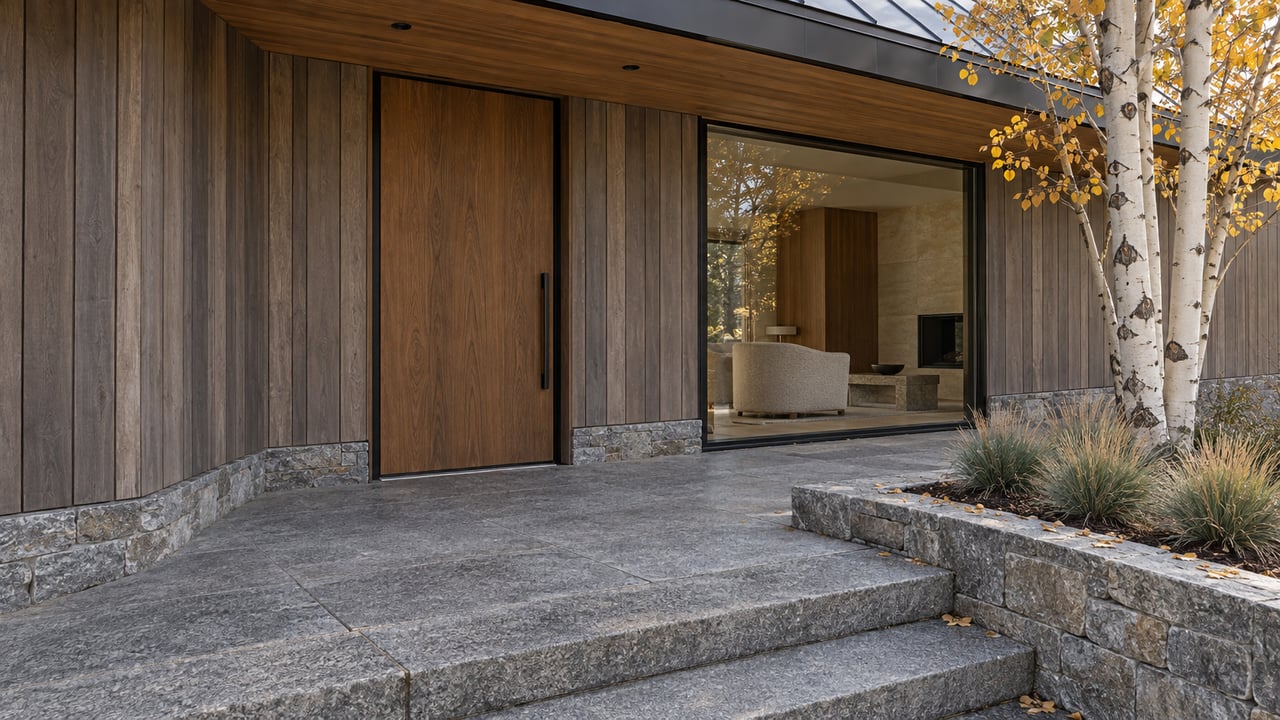
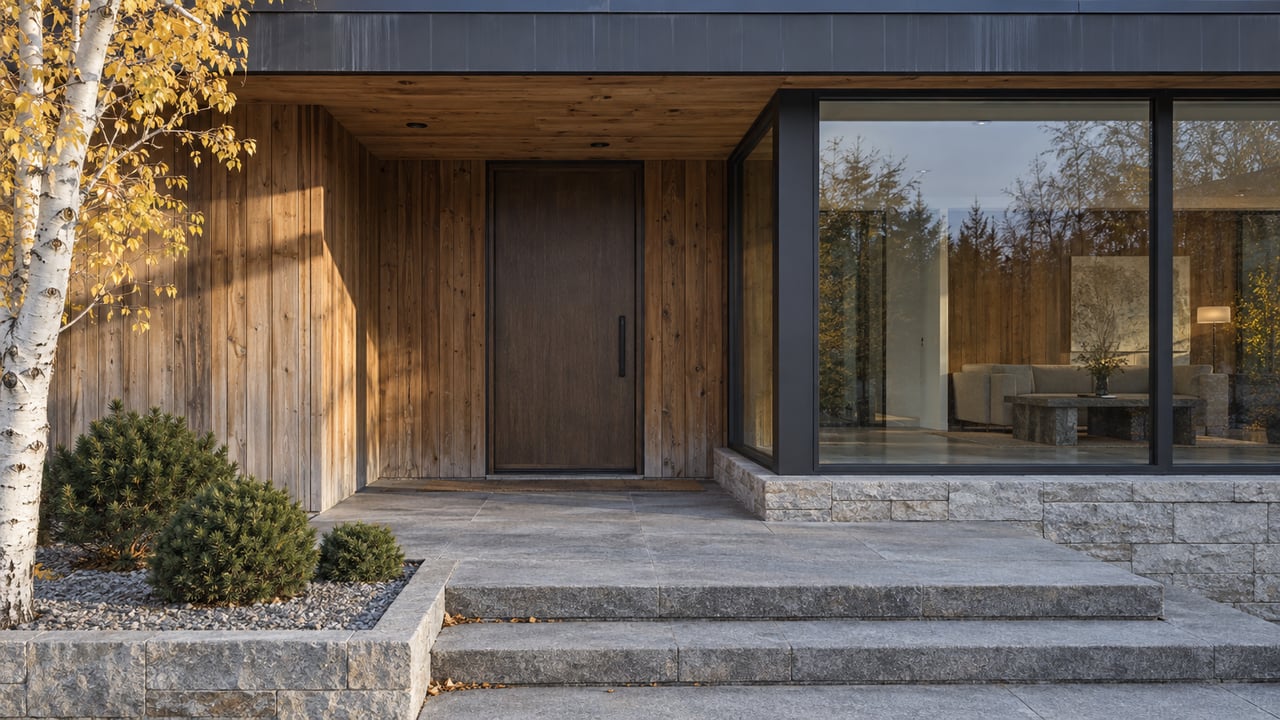
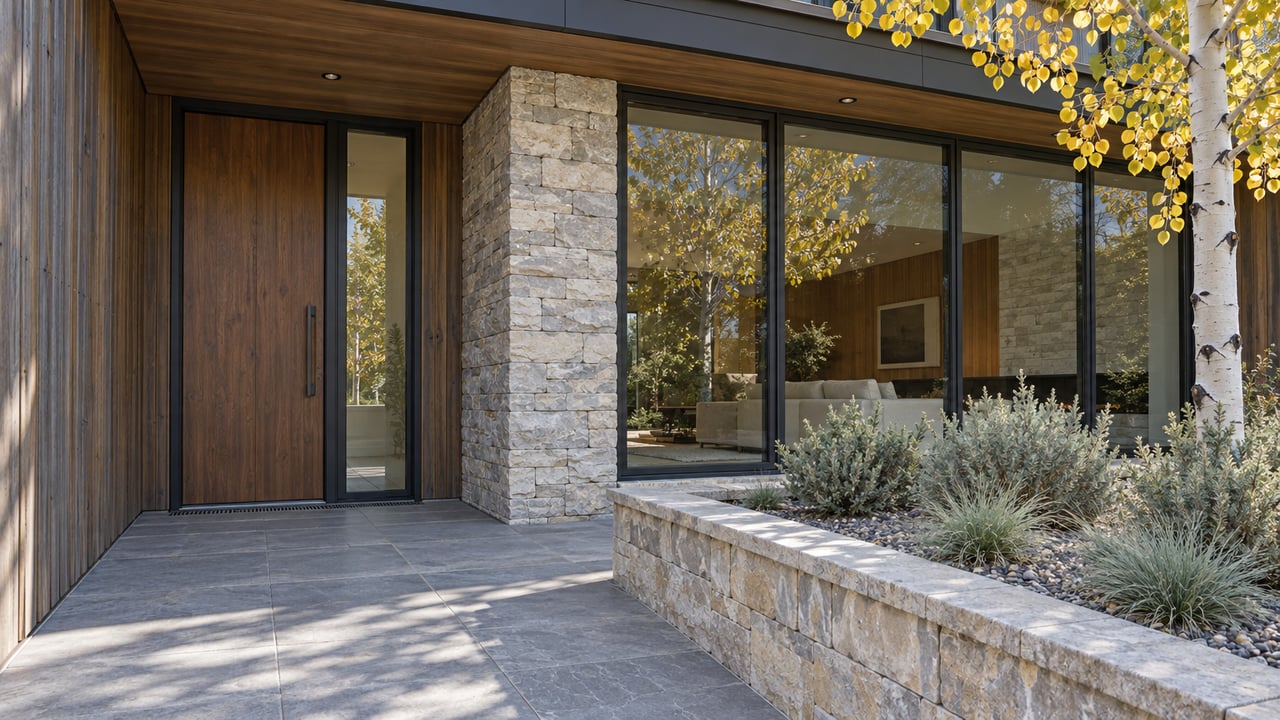
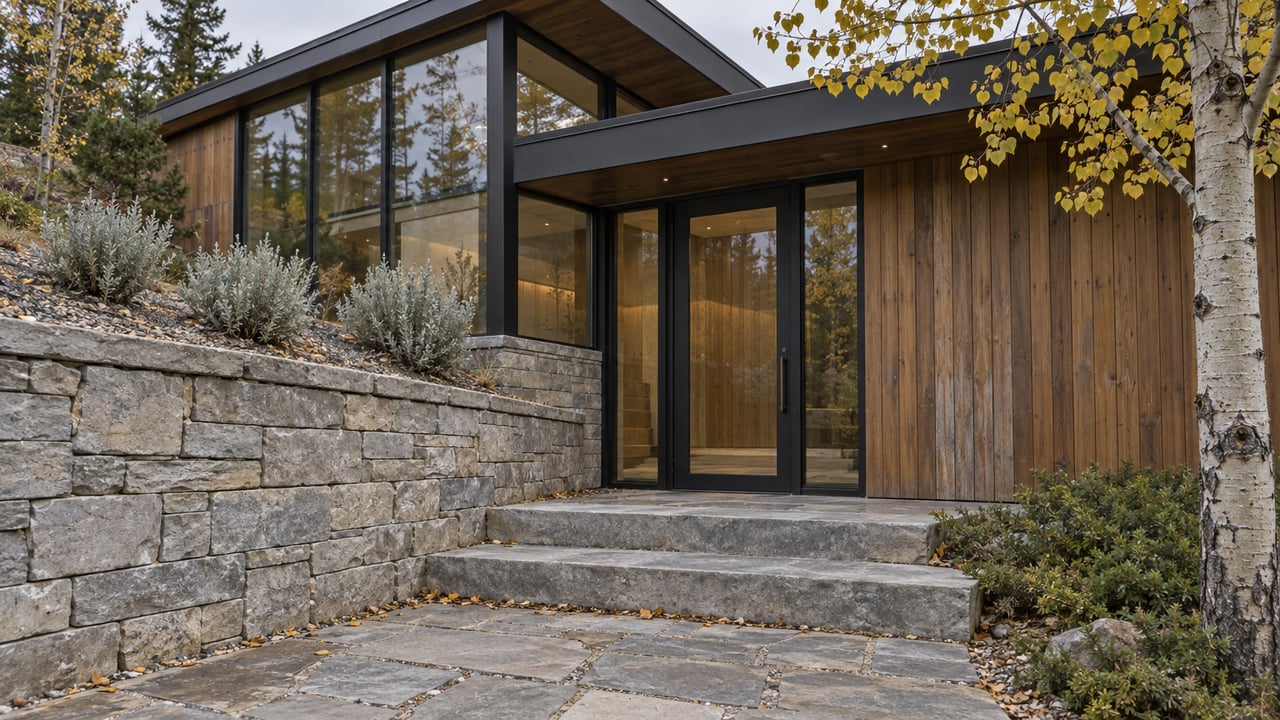
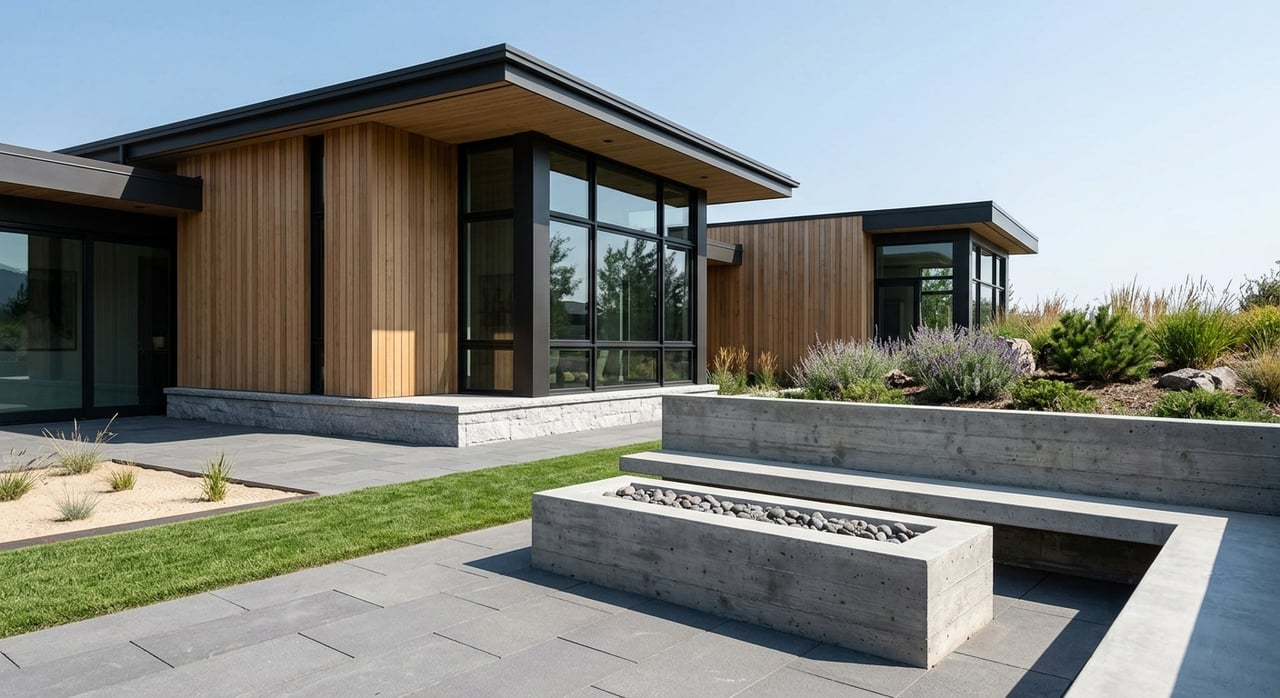
Glenwild is a mature custom-home community, and the real estate page says plans are reviewed by the Architectural and Design Committee. Architectural styles have also evolved toward rustic contemporary and mountain modern.
For buyers considering land or future construction, this means you should expect design review and a more cohesive visual standard. That can help protect the overall character of the community, but it also means your plans need to fit within established guidelines.
Glenwild Works for Year-Round Living
If you are wondering whether Glenwild is mainly a seasonal golf address, the answer is no. The HOA notes that the community has a higher percentage of full-time residents, and the amenity mix supports use in all four seasons.
The club offers a heated year-round pool, fitness and spa facilities, dining, tennis, pickleball, and cross-country skiing. The community setting also supports hiking, trail running, mountain biking, snowshoeing, and winter trail use.
That matters if you want a home that feels just as useful in January as it does in July. A golf property can sometimes feel one-dimensional, but Glenwild’s setting and amenity structure create a broader lifestyle proposition.
Trail Access Adds Real Lifestyle Value
For buyers who care about daily outdoor access, Glenwild has another advantage that often gets overlooked. According to the Mountain Trails Foundation information referenced in local trail coverage, Glenwild’s trail system includes 44 miles of trails, with more than 25 miles north of Kimball Junction.
The same source notes that lower-elevation trail systems such as Glenwild can dry out up to six weeks earlier than on-mountain trails. If you enjoy shoulder-season hiking, running, or biking, that can expand the usable outdoor season in a very practical way.
For some buyers, that feature becomes part of the decision just as much as the golf itself. You are not simply buying a place to play. You are buying access to a landscape you can enjoy across much of the year.
What May Matter for Resale
No one can predict the future, but buyers still want to understand what tends to make one property more compelling than another over time. In Glenwild, limited supply, community maturity, and the range of homesite types suggest that location within the neighborhood is especially important.
Properties may stand apart based on factors like direct golf exposure, preserve adjacency, distance to the clubhouse, privacy, and the quality of their view corridor. In a built-out community, these differences can matter as much as square footage or lot size.
If you are buying with long-term flexibility in mind, it helps to think beyond the home itself. Ask which features are hardest to replicate, whether that is a particular setting on the course, open space on multiple sides, or a combination of golf and ski views.
Best Questions to Ask Before Buying
Before you move forward on a Glenwild property, it helps to go in with a clear checklist.
- Is golf membership currently available, and what is the approval process?
- Do you want direct golf frontage, broader mountain views, or more privacy?
- How close do you want to be to the clubhouse and amenities?
- If buying land, what design review considerations could affect your plans?
- Will you use the property seasonally or as a full-time residence?
- How important are trail access, winter amenities, and airport convenience to your lifestyle?
The right answers depend on your priorities. A golf-first buyer may evaluate Glenwild very differently than a buyer who wants a year-round Park City base with club benefits as part of the package.
Why Local Guidance Matters in Glenwild
In a community this limited, the headline details only tell part of the story. The more meaningful differences often come down to micro-location, club access considerations, homesite orientation, and how a property compares with the small number of alternatives that may come available.
That is where local, principal-led guidance can make a real difference. If you are weighing Glenwild against other Park City golf or gated options, you want clear insight into the nuances that are easy to miss from listing photos alone.
If you are considering buying or selling in Glenwild, Jake Doilney can help you evaluate the community with the kind of local perspective that makes high-stakes decisions feel more informed and more confident.
FAQs
Is golf membership included with a Glenwild home purchase?
- No. According to Glenwild, membership is separate from home or lot ownership and requires approval.
Are all Glenwild homes on the golf course?
- No. Glenwild properties can include fairway homesites, green-front lots, view parcels, and homes with more private or open-space-oriented settings.
Is Glenwild only for seasonal owners in Park City?
- No. The HOA says Glenwild has a higher percentage of full-time residents, and the amenities are designed for year-round use.
What amenities do Glenwild social members receive?
- Social membership includes dining, the heated pool, spa and fitness facilities, tennis, pickleball, and groomed cross-country trails.
What should buyers compare when looking at Glenwild homesites?
- Buyers should compare lot placement, privacy, view corridors, distance to the clubhouse, and, for land purchases, how design review may affect future building plans.